A new theory is adding to the long-running debate over how some of Stonehenge’s enormous stones reached the monument thousands of years ago. The latest idea focuses on a roughly six-tonne rock linked to Scotland and suggests that a glacier may have carried it much of the way south.
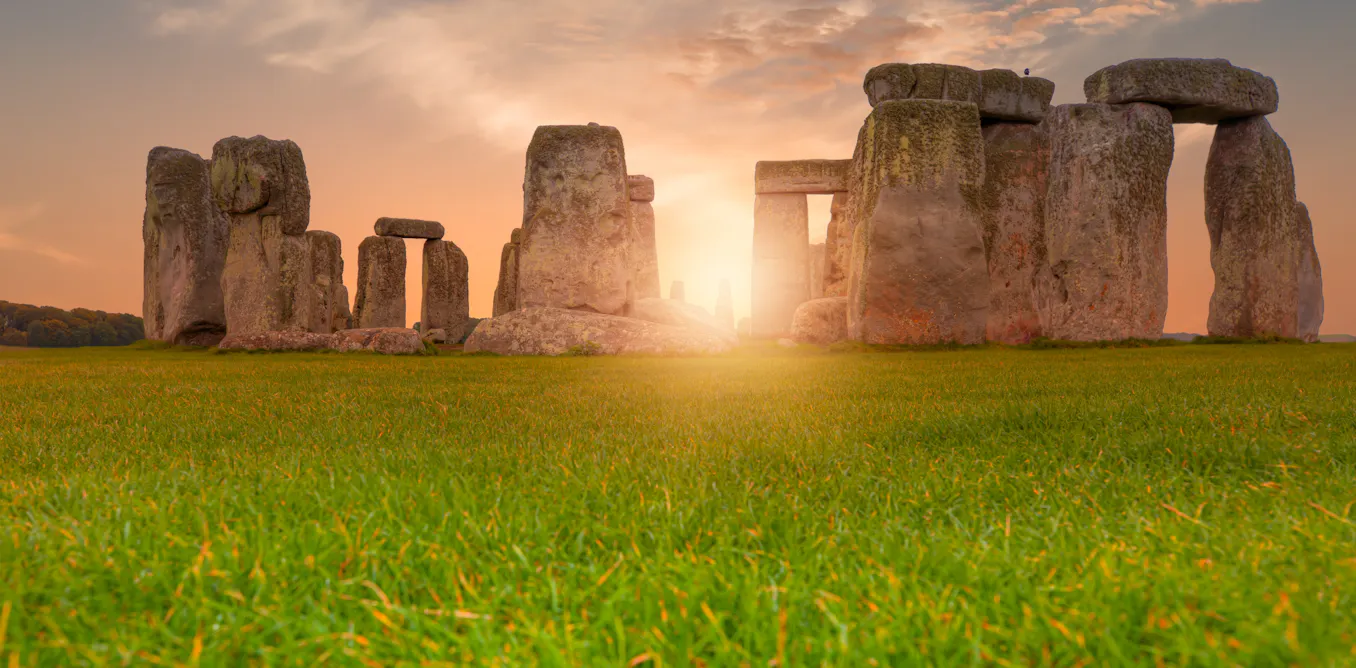
Stonehenge has fascinated generations partly because of the sheer scale of its construction. With stones said to weigh from about 2 to 25 tonnes, the site raises obvious questions about transport and engineering in a period long before the wheel was in use for such projects.
The glacier theory offers a different explanation from the familiar image of people hauling every stone over vast distances by land or water alone. In this view, natural ice movement could have shifted at least one major rock over a significant distance, potentially changing how researchers think about the monument’s supply chain.
Even so, the proposal is likely to feed an existing scientific and archaeological argument rather than settle it outright. Stonehenge remains one of the world’s most studied prehistoric sites, and new ideas about where its stones came from—and how they moved—continue to reshape the story of the monument.