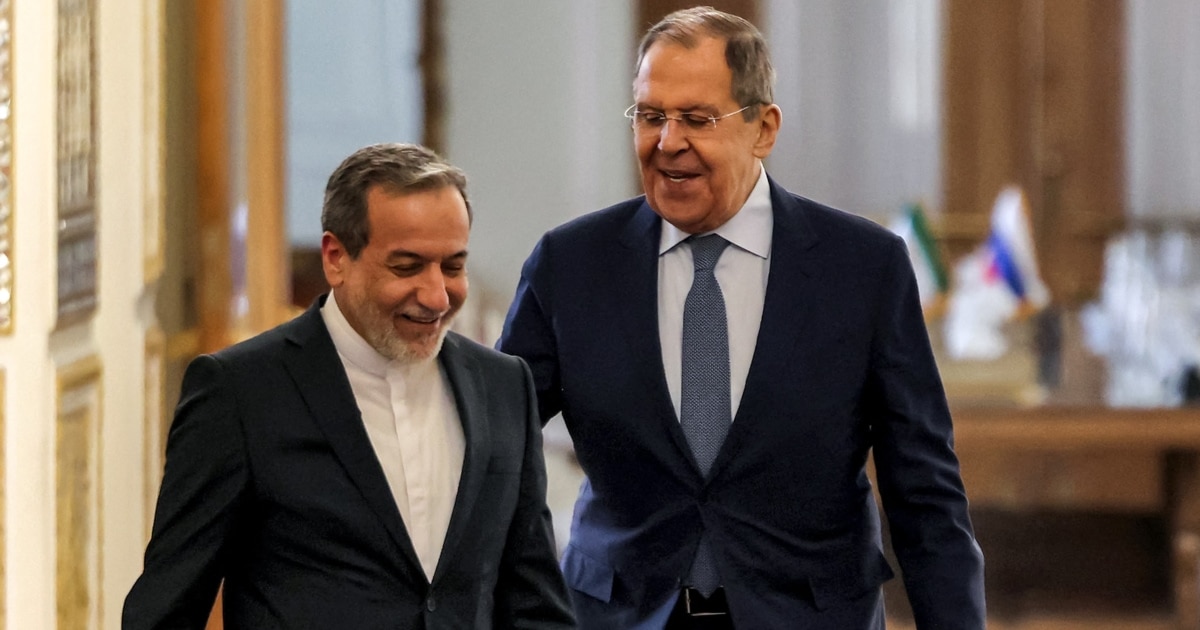
Analyst Nicole Grajewski says the growing relationship between Russia and Iran is increasingly connecting two major flashpoints: the war in Ukraine and instability around the Persian Gulf. In her assessment, cooperation between Moscow and Tehran has become one of the most important strategic relationships in current geopolitics, even without a formal alliance.
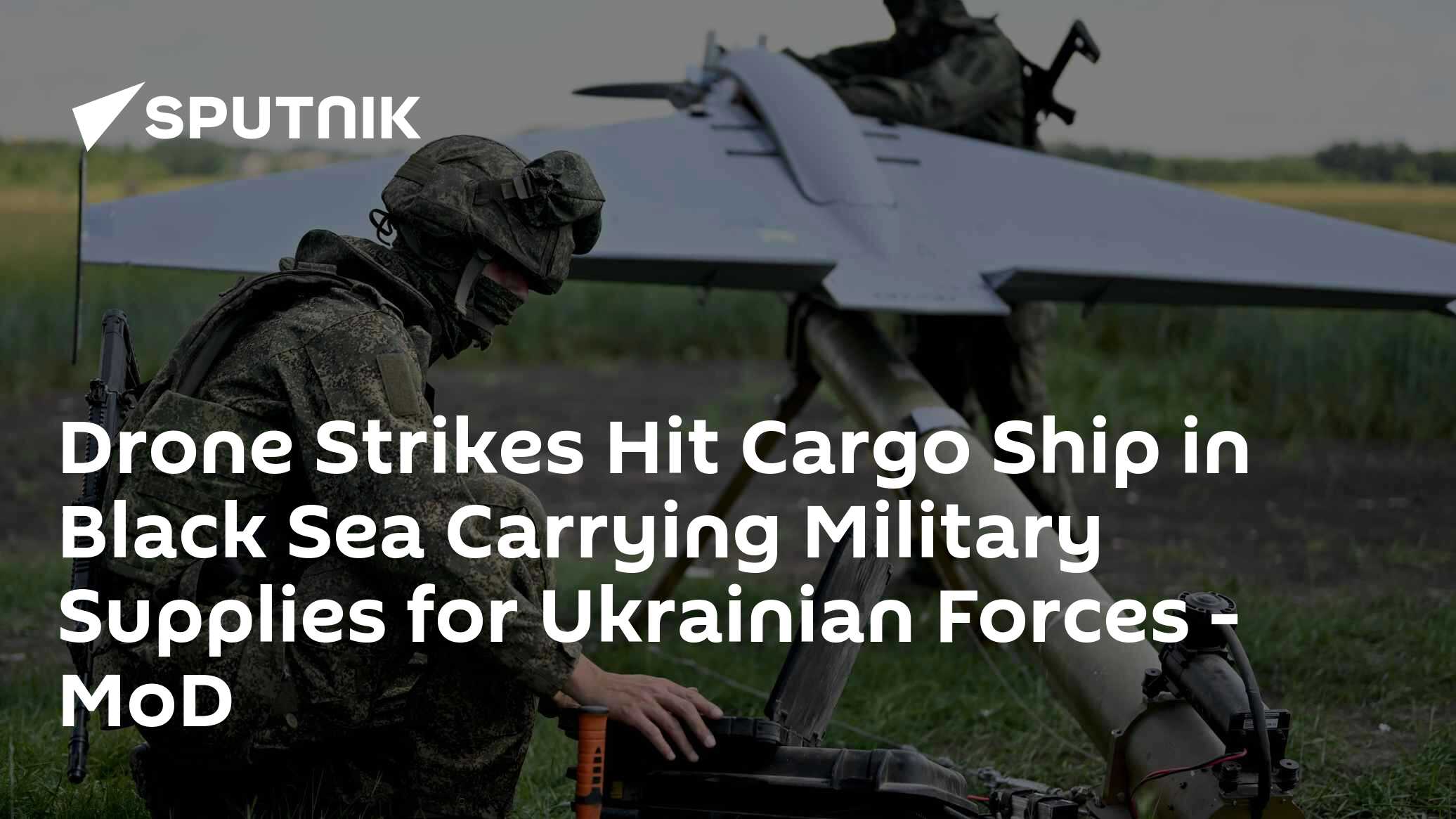
The link between the two conflicts is being shaped by practical collaboration in several areas. The description highlights drones, intelligence sharing, sanctions evasion and internal security as key parts of the expanding partnership. Those forms of cooperation suggest the relationship now goes well beyond diplomacy and is affecting how both countries respond to pressure from the West and regional rivals.
That matters because Russia-Iran ties can have consequences in more than one theater at once. Support networks built around military technology, information exchange and economic workarounds may influence the battlefield in Ukraine while also affecting security calculations in the Gulf. As a result, developments involving one side of the partnership are becoming harder to separate from tensions in the other region.
Grajewski's analysis points to a broader shift in how global conflicts overlap. Rather than remaining isolated crises, the war in Ukraine and Gulf tensions are increasingly tied together by the strategic cooperation between Moscow and Tehran, making the Russia-Iran relationship a central factor to watch.