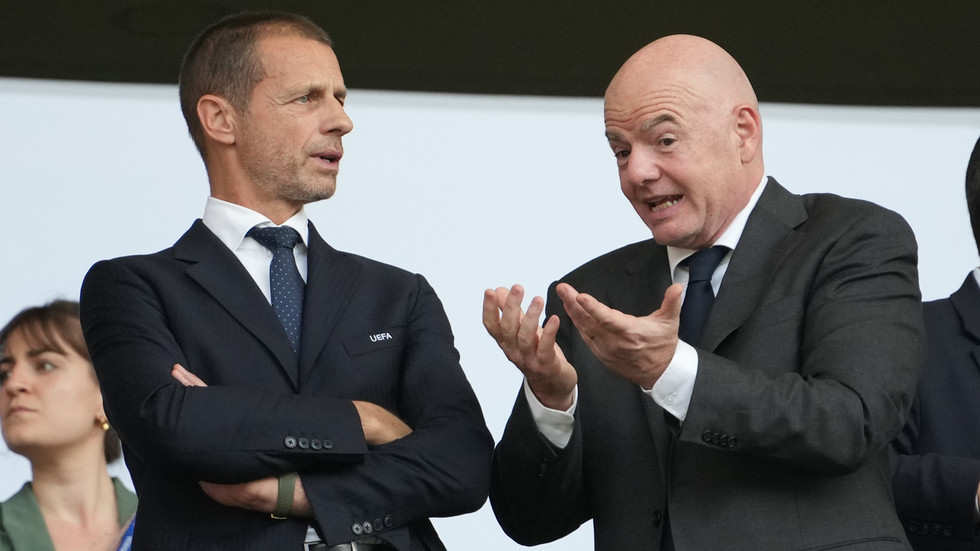
FIFA is reportedly considering selling a private equity stake connected to its World Cup business, a move that is already drawing criticism from observers who see it as a straightforward cash play. The idea fits a broader trend in global sports, where major governing bodies and leagues look for outside capital tied to media, sponsorship and tournament revenue.
The report comes after a highly successful World Cup event in North America, described as delivering record ratings and strong commercial momentum. That backdrop makes the timing significant: when audience numbers and revenue outlook are high, an asset tied to the World Cup becomes more attractive to investors seeking a share of future growth.
Supporters of a deal would likely frame private equity involvement as a way for FIFA to unlock value and bring in capital without waiting years for future tournament cycles. Critics, however, are likely to argue that selling a stake in one of the most powerful properties in sports risks prioritizing short-term financial gains over long-term stewardship of the competition.
Even without full details on what form any transaction might take, the prospect of private equity entering FIFA's World Cup business is notable on its own. It suggests the governing body may be looking to monetize its biggest asset more aggressively as the commercial side of international football continues to expand.