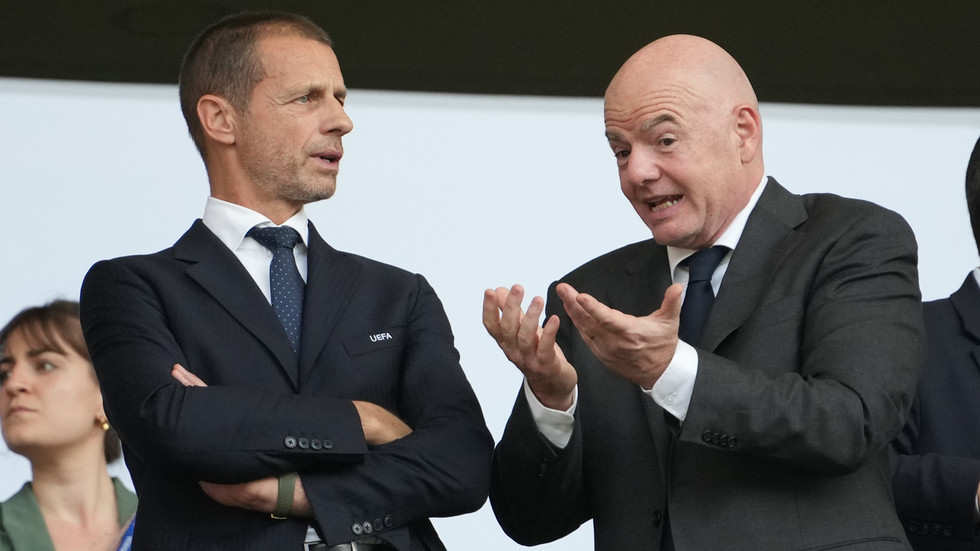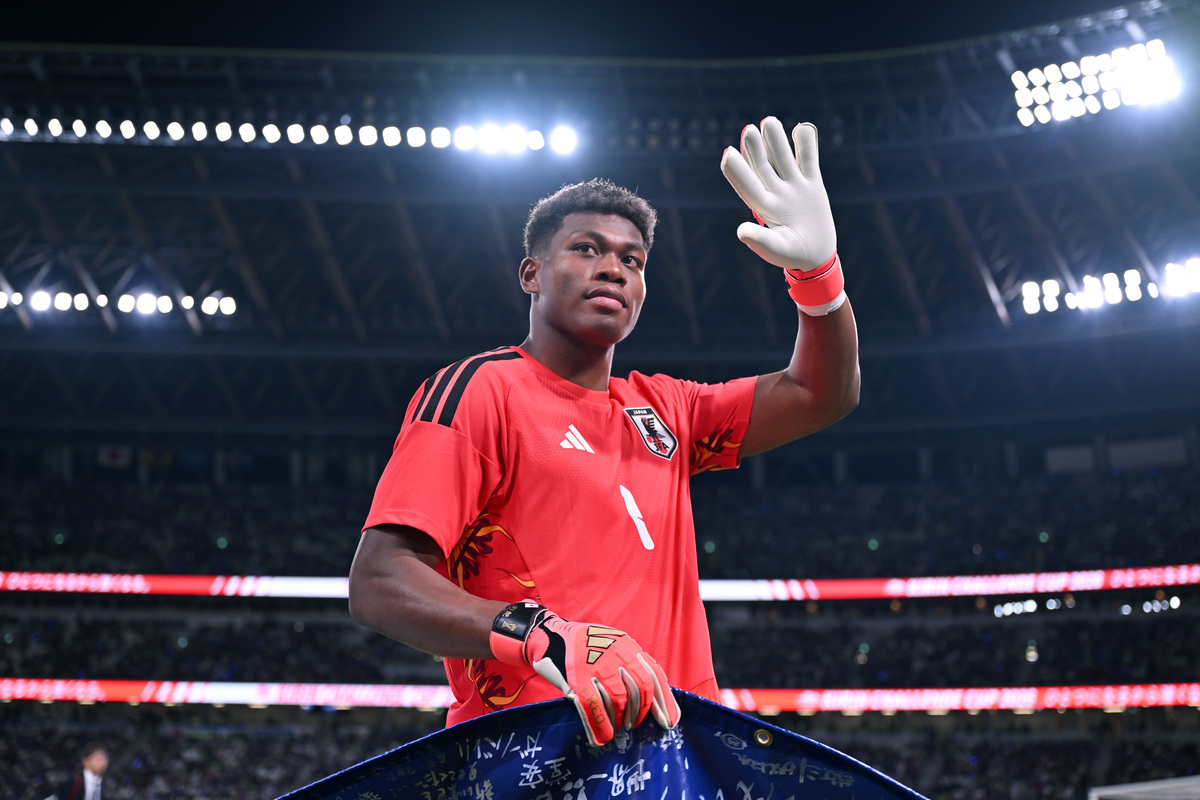
The 2026 World Cup is being discussed as more than a major football tournament. Because of the event’s global reach, financial scale and political visibility, it has become a platform for wider arguments about power, governance and the role of sport in international affairs.
In this reading, the 2026 World Cup exposed geopolitical divisions that were impossible to keep separate from the game itself. Criticism centered on whether FIFA applied its rules and principles consistently, with the governing body facing renewed scrutiny over perceived double standards in how it handles sensitive political issues.
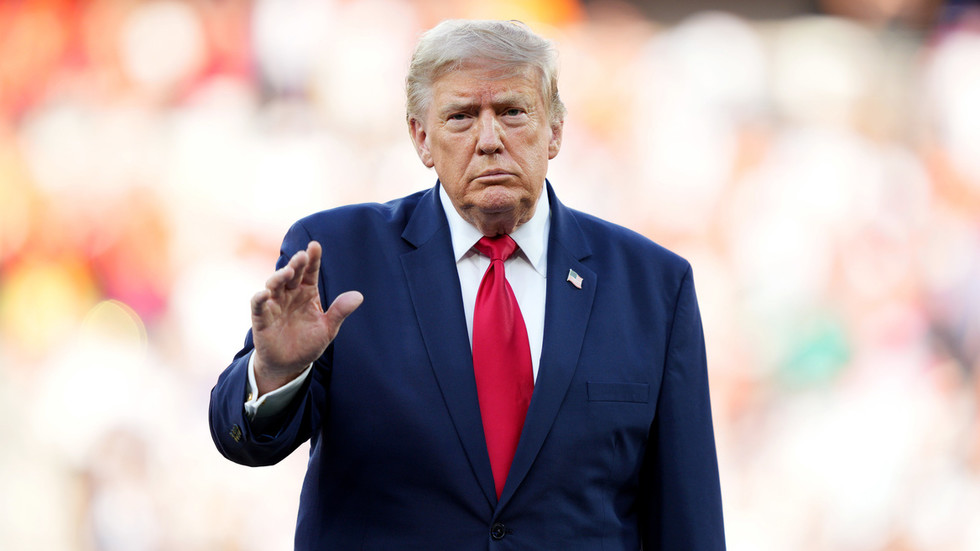
The United States, as a key host of the tournament, is also presented as part of the story. Rather than simply using the World Cup to showcase influence and stability, the event is portrayed as reflecting a more fragmented global landscape, where even a massive sporting spectacle cannot fully smooth over rivalries, disputes or competing narratives.
That broader argument places football at the center of debates far beyond the pitch. With its long history, worldwide popularity and enormous commercial value, the World Cup remains one of the clearest examples of how sport can mirror tensions in the international order as much as it delivers entertainment.