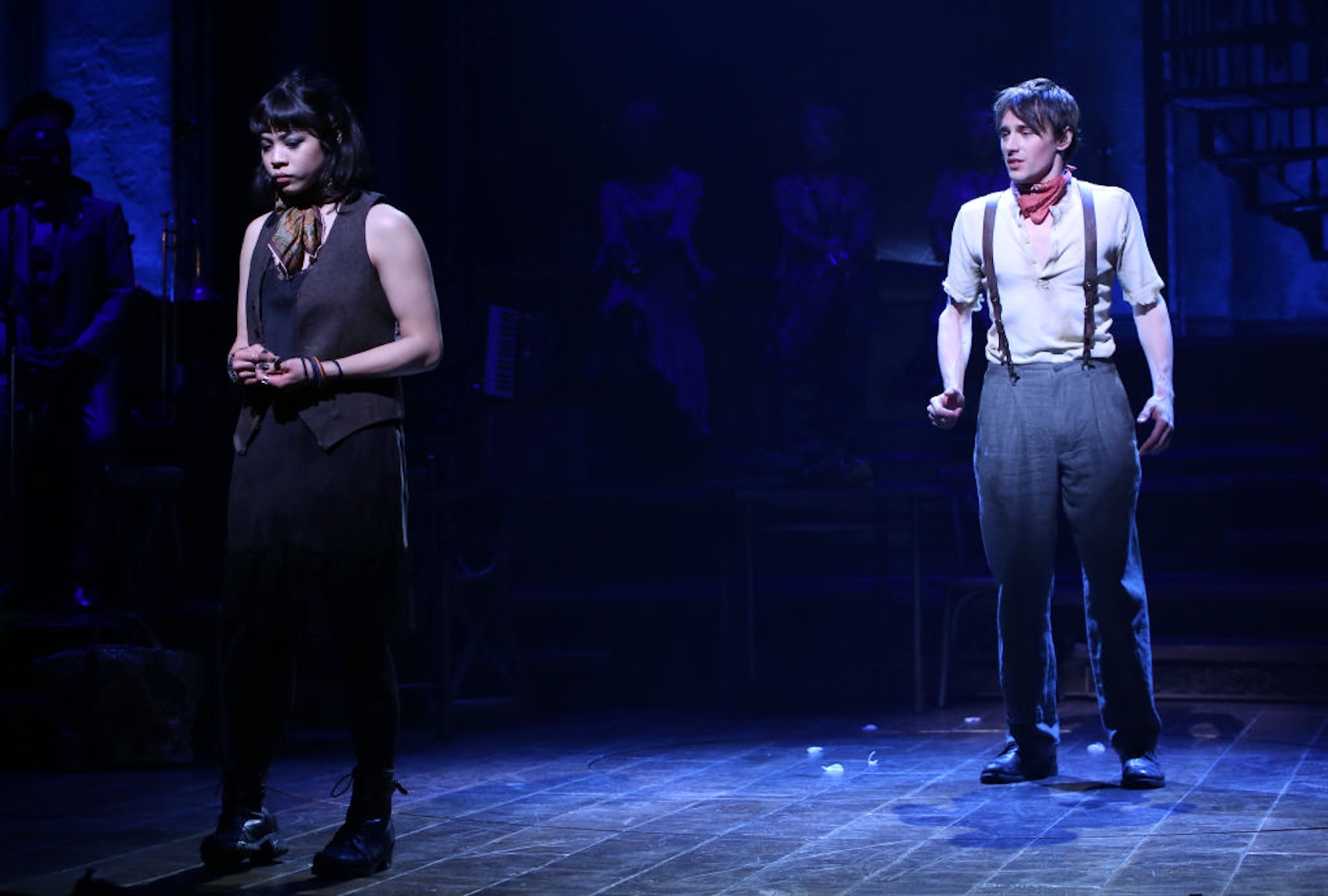
A new commentary argues that performing arts education could play an important role in addressing what it describes as America’s growing empathy crisis. As graduates from The New School’s College of Performing Arts move into the workforce and another school year begins, the piece points to the arts as a way to restore human connection at a time when many people feel increasingly isolated from one another.
The central idea is that training in music, theater, dance and other live performance disciplines does more than prepare students for creative careers. It also teaches close listening, collaboration, emotional awareness and the ability to see situations from another person’s perspective. Those skills, the argument suggests, are essential for rebuilding empathy in classrooms, workplaces and public life.
The article frames performing arts education as a practical response to a wider cultural problem. In this view, rehearsals, ensemble work and performance experiences create spaces where students must pay attention to others, adapt in real time and communicate with care. That process can help counter the disconnection and division many Americans feel.
By linking arts education to civic and social well-being, the piece makes the case that the value of the performing arts extends beyond entertainment. It presents arts learning as a way to strengthen understanding between people and to send graduates into the world with habits of connection that are urgently needed.