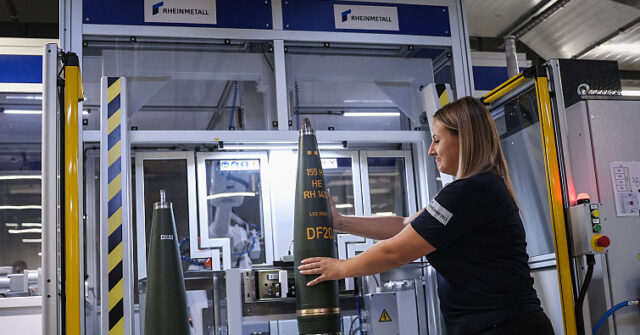
The UK government is pursuing a major expansion of domestic arms production, with plans for at least six new munitions and energetics factories. The push follows lessons drawn from the war in Ukraine, where heavy fighting has highlighted how rapidly ammunition can be consumed in a conflict between well-armed opponents.
The proposal also reflects concern over the long decline of Britain’s industrial base since the end of the Cold War. By backing a new generation of explosives and munitions sites, ministers appear to be trying to rebuild capacity that was allowed to shrink during decades when large-scale stockpiles and wartime manufacturing were given less priority.
At the core of the plan is a simple defense calculation: modern wars can burn through shells, propellants and other military supplies far faster than peacetime systems are set up to replace them. Expanding production at home would help the UK reduce supply risks and improve its ability to sustain its own forces and support allies during a prolonged crisis.
The move signals a broader rearmament debate in Britain, linking national security to industrial policy. While the available details are limited, the direction is clear: the government wants more domestic manufacturing capacity for key military materials after Ukraine exposed the pressures that high-intensity warfare places on ammunition supply.