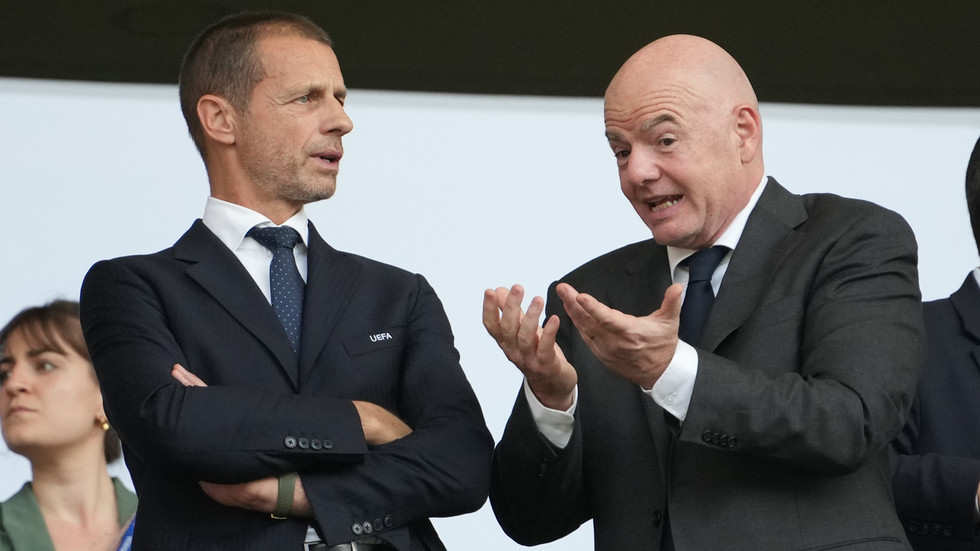
FIFA president Gianni Infantino is facing criticism over a proposal to sell stakes in the organisation's events and competitions arm, a move that critics say could hand outside investors significant influence over the World Cup. The reported plan, valued at about US$20 billion, has become controversial because it would reshape control around football's most valuable tournaments.
According to the outline described in the report, the investment would involve FIFA's business tied to staging and managing major competitions. That has alarmed parts of world football, especially the confederations that organise the game internationally and rely on FIFA's current structure. Their objection centres on the idea that commercial investors could gain a say over assets that many in football view as a shared sporting trust rather than a corporate product.
The issue has drawn even more attention because the title of the report links the proposed sale to a Trump associate, adding a political dimension to an already sensitive business decision. While FIFA has pushed to grow revenues and expand its commercial reach, opponents argue that selling into the competitions arm risks shifting power away from football bodies and toward private interests.
At the heart of the dispute is a broader question about who should control the World Cup and the revenues it generates. For supporters of the deal, outside capital could unlock growth. For critics, the proposal threatens the balance of governance in global football and raises concerns about how the sport's biggest event would be managed in the future.