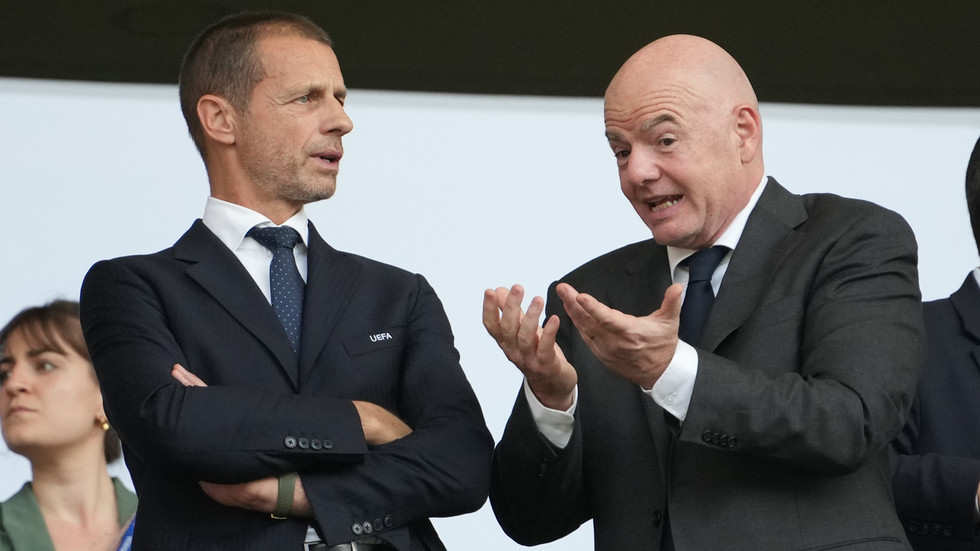
A growing dispute inside world soccer has raised the possibility of a World Cup boycott by some European nations. The tension centers on concerns that FIFA is pushing changes that would make the sport more commercially driven, deepening a divide between the global governing body and parts of Europe’s football establishment.
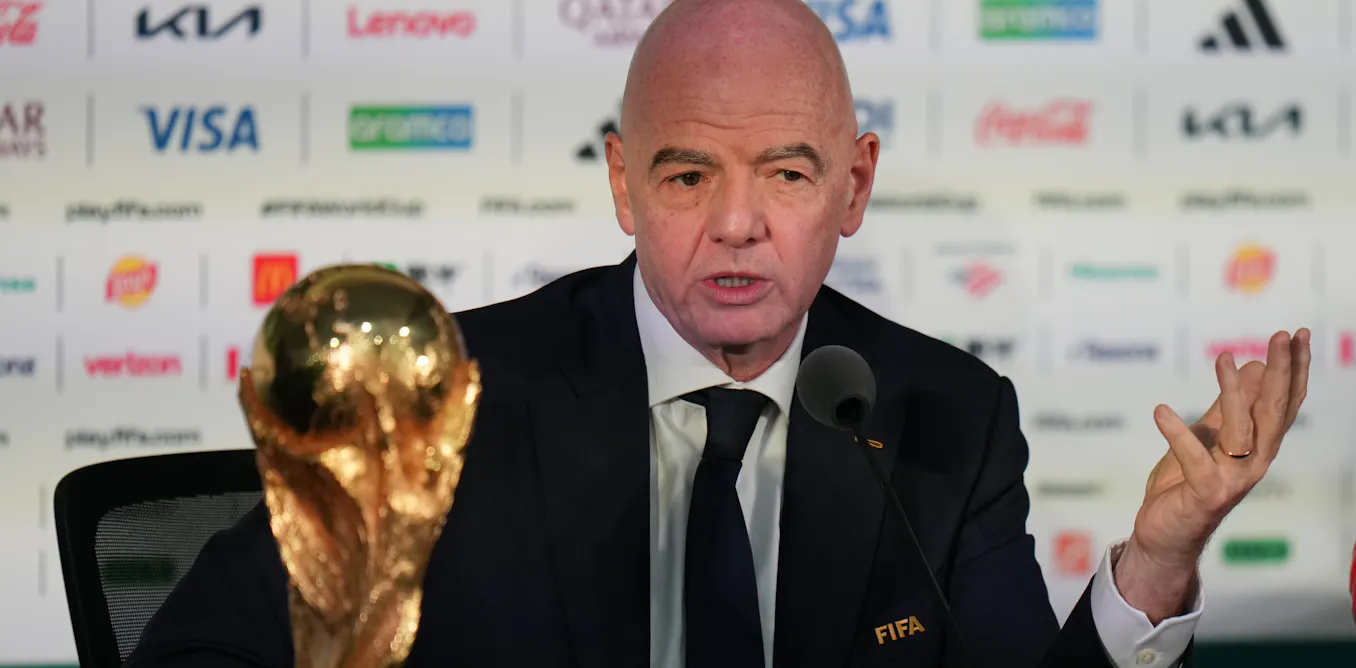
At the heart of the row is a proposal linked to FIFA president Gianni Infantino to sell off an important function within the organization. Critics see that move as part of a broader shift toward turning major decisions in football into commercial assets, rather than keeping the focus on sporting priorities and shared governance.
That unease has led to warnings that the fallout could be severe. If leading European countries were to refuse participation in a future World Cup, it would create one of the biggest crises the sport has faced in modern times, affecting the tournament’s credibility, competitive level and global unity.
The argument reflects a bigger struggle over who shapes the future of football: FIFA’s central leadership or powerful regional stakeholders determined to resist what they view as excessive commercial expansion. With emotions running high so soon after the 2026 men’s World Cup final, the fight now looks set to define the next phase of the international game.