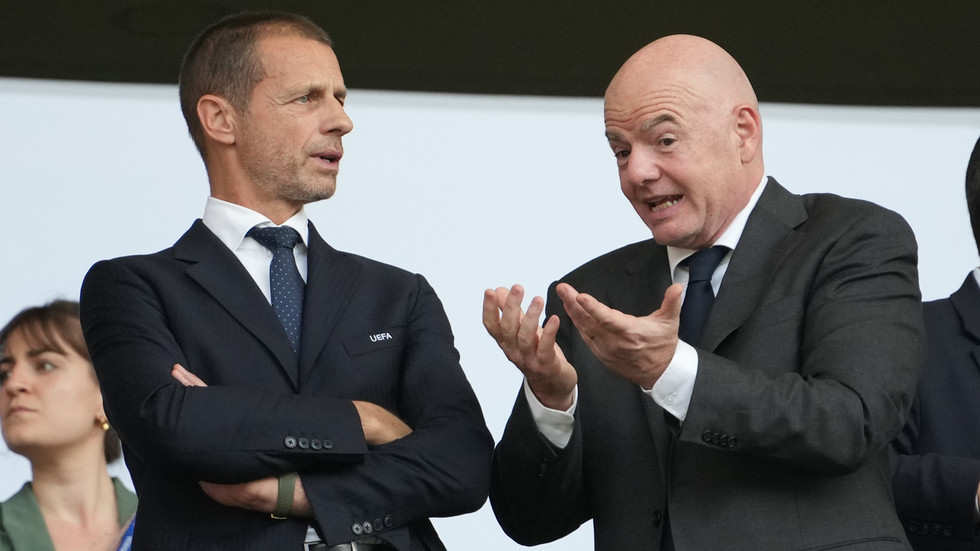
A report that FIFA is exploring a move to privatize the World Cup has triggered one of the biggest debates in global soccer this week. The idea, first reported by The Times of London and later confirmed by FIFA, immediately raised questions about how the tournament could be structured in the future and who would gain influence over one of sports' most valuable events.
At the center of the controversy is what privatizing the World Cup would actually mean in practice. While the full contours of the proposal were not laid out in the limited details available, the basic concern is that a larger role could be handed to private interests around the competition. That possibility has fueled intense scrutiny because the World Cup is not just FIFA's flagship event, but also a tournament with enormous sporting, financial and political importance.
The backlash has been sharp. Critics see the idea as a potential shift away from traditional stewardship of the tournament and toward a model driven more heavily by outside money and private control. Even without a full public blueprint, the proposal has already become a flashpoint because it touches on long-running concerns about governance, oversight and who ultimately benefits from the World Cup.
Whether the plan actually moves forward is still uncertain. Confirmation from FIFA shows the idea is real, but that does not mean it is guaranteed to be adopted. Its chances will likely depend on how much resistance builds inside the soccer world, how the proposal is formally presented, and whether FIFA can persuade skeptics that such a major change would improve the tournament rather than weaken trust in it.