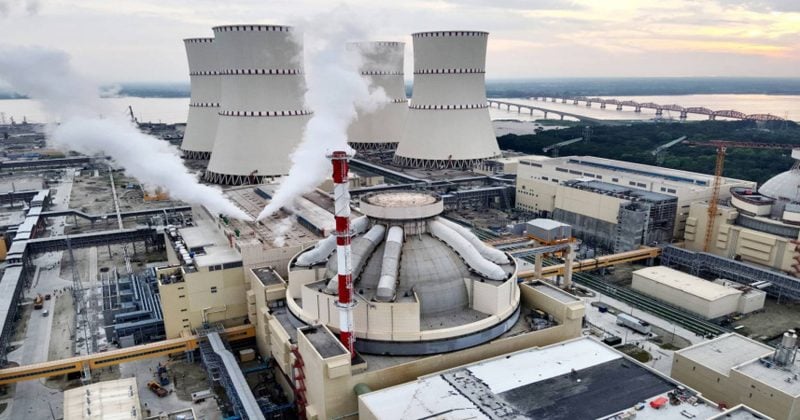
Russia is proposing a new way to handle payments linked to Bangladesh’s nuclear plant by using Indian rupees, a move aimed at reducing exposure to US sanctions. The idea reflects the growing pressure on sanctioned countries to find settlement methods outside traditional dollar-based channels.
At its core, the proposal points to a broader shift in global trade finance. When access to standard banking networks becomes more difficult, governments and companies often look for other currencies, regional arrangements, or alternative payment routes to keep large cross-border projects moving.
The Bangladesh nuclear plant case highlights how these workarounds are becoming more common in international commerce. Using rupees would not just be a practical payment adjustment; it would also show how trade relationships can be reshaped when sanctions alter the normal flow of money between countries.
The discussion also keeps attention on the wider search for parallel financial systems, including digital and crypto-linked rails. While this proposal is focused on currency settlement rather than a direct crypto payment plan, it underscores the same trend: sanctioned nations are increasingly exploring nontraditional ways to complete major transactions.