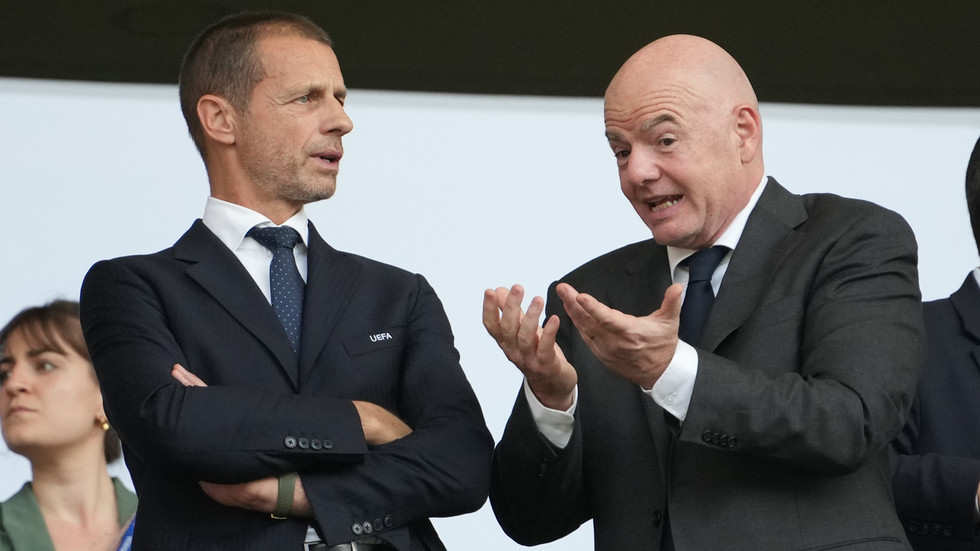
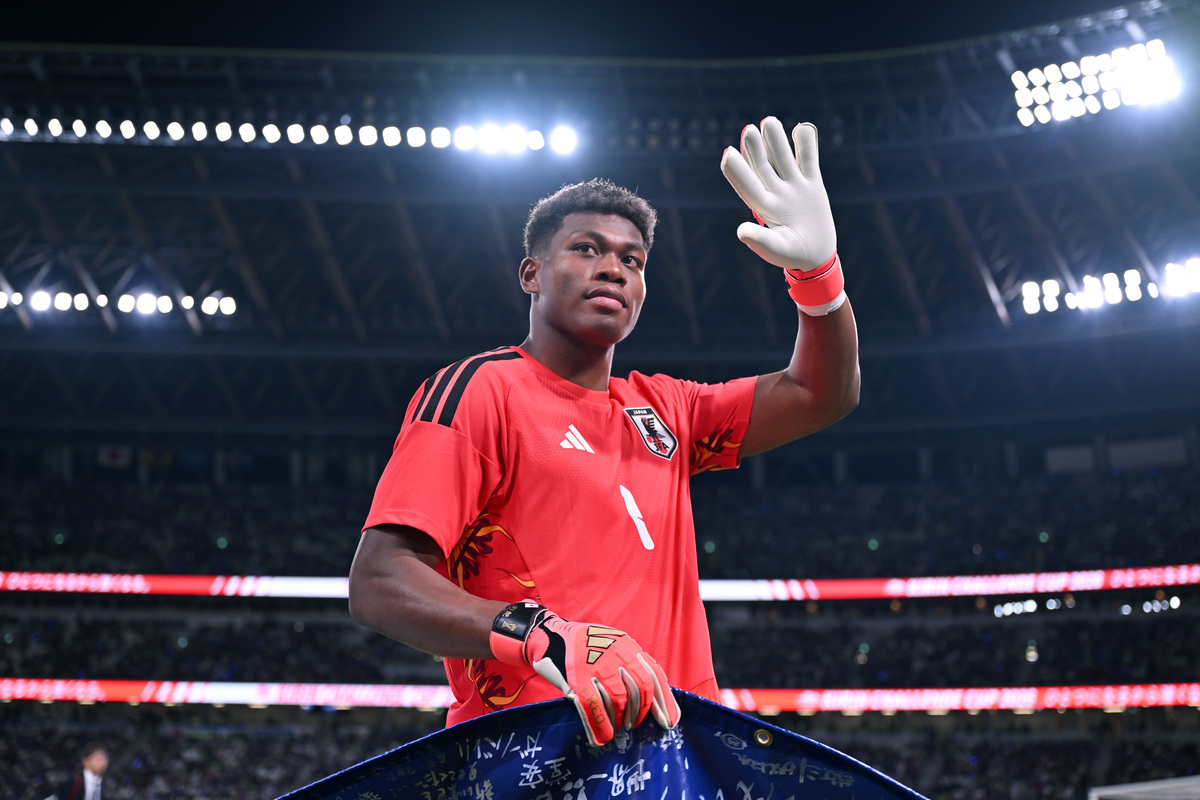
Fifa set out to make the 2026 World Cup the largest tournament the sport has ever seen, and in sheer scale it has lived up to that ambition. Staged across the United States, Mexico and Canada, the competition has brought more games, a wider footprint and constant global attention.
But the bigger format has also brought bigger scrutiny. Concerns over high ticket prices have fueled debate about access for ordinary supporters, while hydration breaks have become part of the wider discussion about scheduling, conditions and how the event is being managed.
Off the pitch, the tournament has rarely been short of controversy. Questions around new laws and political interventions have added another layer to the conversation, shifting focus from football alone to the broader environment surrounding the event. That has left many asking whether the World Cup's size and visibility have come at the cost of simplicity and goodwill.
Whether the tournament is judged a success may depend on what matters most. As a spectacle, it has been hard to ignore. As an all-round fan experience, the picture appears more complicated, with excitement over the football matched by persistent debate over price, policy and the pressures that come with an expanded World Cup.