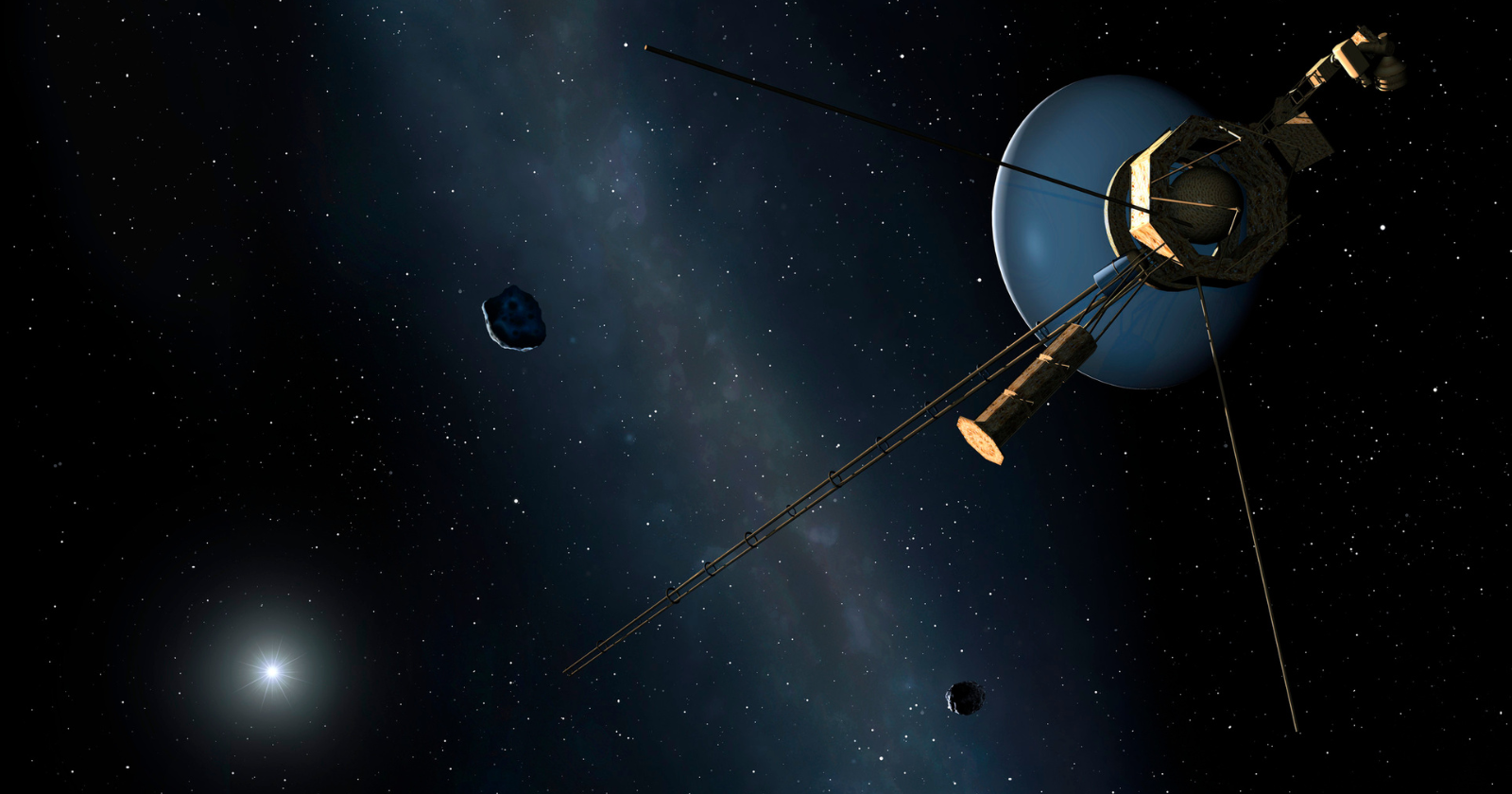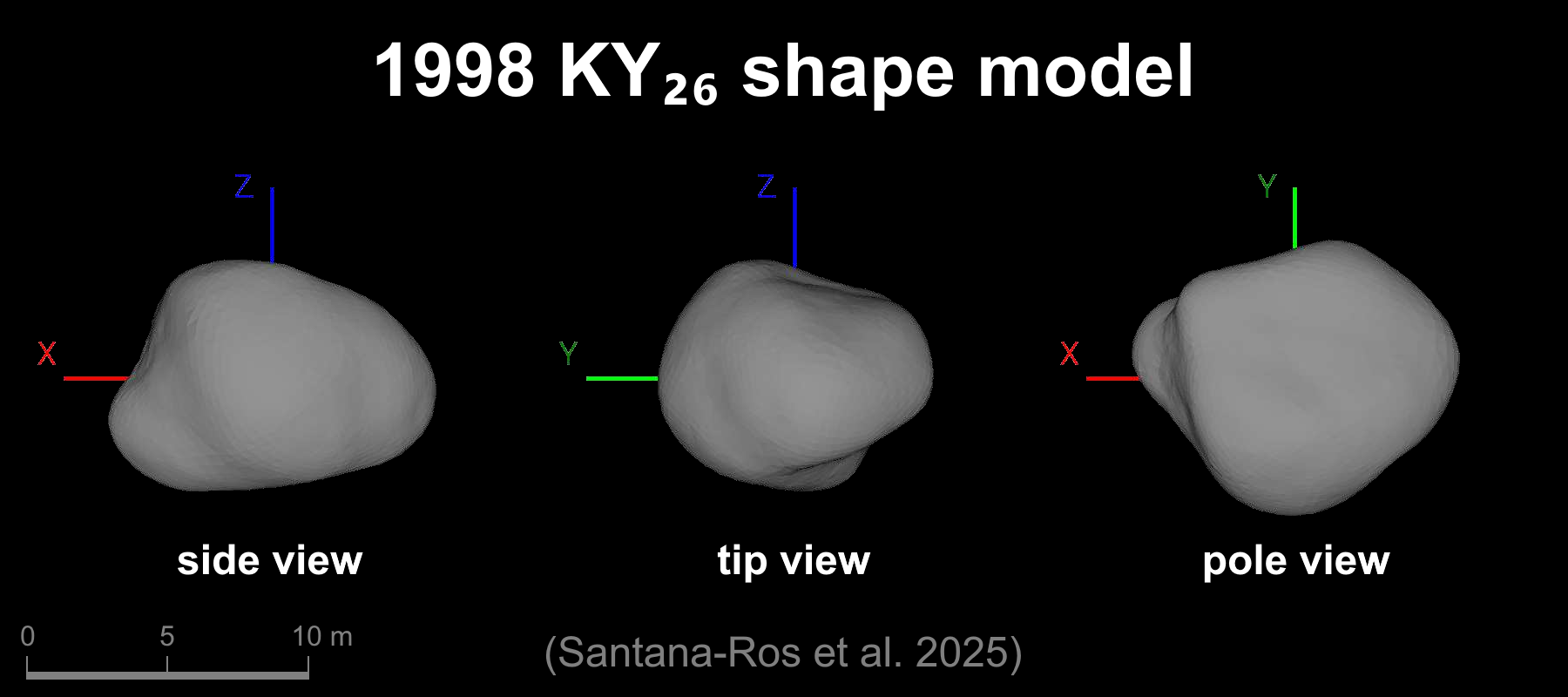
Japan’s Hayabusa2 spacecraft is heading toward a remarkably small new target: an asteroid measuring about 11 meters across. The mission marks another chapter for the probe, which has remained operational well beyond its original goals.
Hayabusa2 launched in 2014 and completed its primary asteroid sample return mission in 2020. Rather than ending operations after that milestone, the still-healthy spacecraft has continued on an extended mission, allowing engineers and scientists to pursue additional opportunities in deep space.
A rendezvous with such a tiny asteroid highlights both the durability of the spacecraft and the precision needed to study very small objects. Even without the scale of Hayabusa2’s earlier mission, a close look at a target this small could offer valuable insight into how these bodies move and how spacecraft can navigate around them.
The extended mission also underlines how much value space agencies can extract from hardware that continues performing after its main objectives are complete. For Hayabusa2, the next destination shows that a probe built for one landmark asteroid mission can still contribute science years later.