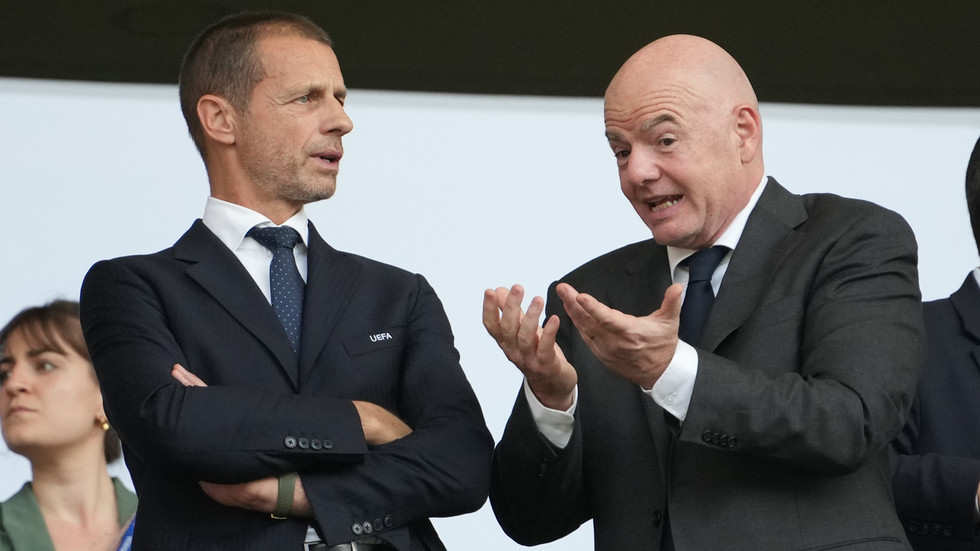
Gianni Infantino’s standing at FIFA has come under heavy pressure after reports that he explored selling a stake in the World Cup to private equity investors. The move, which was ultimately abandoned, has triggered a sharp backlash and raised fresh questions about how the world governing body handles its biggest and most valuable competition.
The controversy is especially striking because Infantino had recently appeared to be in a strong political position. According to the report, support for him had climbed to unusually high levels heading into the final weekend of this summer’s World Cup, with backing reported from the vast majority of FIFA’s member associations. That sense of stability has now been replaced by scrutiny over an idea many critics see as crossing a line.
At the center of the dispute is concern over what it would mean to sell part of the World Cup’s commercial value to outside investors. Even without a deal being completed, the attempt has fueled international outrage because the tournament is widely viewed as the core asset of global football and a symbol of FIFA’s public responsibilities. For opponents, the episode is not just about finance but about governance, accountability and who should benefit from the sport’s premier event.
The fallout leaves Infantino facing one of the most serious political tests of his presidency. What looked like a position of strength has been weakened by a proposal that critics say exposed FIFA to unnecessary reputational damage. The abandoned plan may be over, but the debate over leadership and control of the World Cup is unlikely to fade quickly.