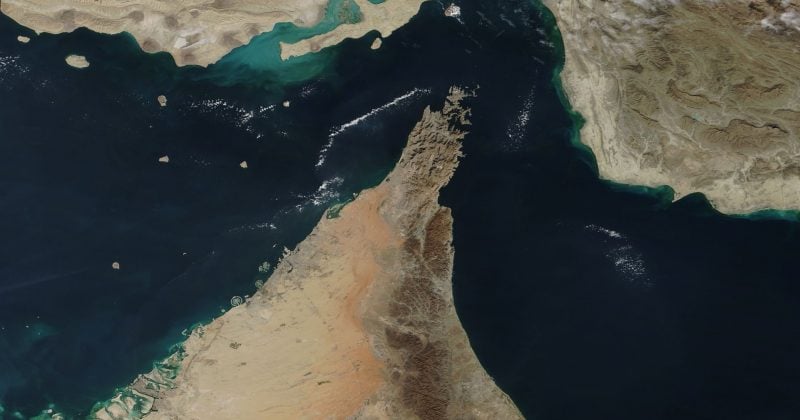
Oil prices moved higher after reports that Iran halted ships passing through the Strait of Hormuz, a vital route for global energy shipments. Because the waterway is one of the world’s most important oil chokepoints, even limited disruptions can quickly raise concerns about supply and push crude prices upward.
The market reaction is not only about oil. Higher energy costs can feed inflation worries across the global economy, affecting stocks, currencies and other risk-sensitive assets. That is why crypto traders are also watching closely, as digital assets often respond when broader market sentiment shifts.
If tensions in the Strait of Hormuz were to intensify, investors could face a mix of rising oil, renewed inflation pressure and greater volatility across financial markets. In that kind of environment, crypto may be influenced less by sector-specific news and more by the overall move toward caution or risk reduction.
For now, the focus remains on whether the disruption is contained or becomes a more serious threat to energy flows. A short-lived episode could limit the impact, but any escalation in this critical shipping corridor could keep oil elevated and leave crypto markets reacting to wider macro pressure.