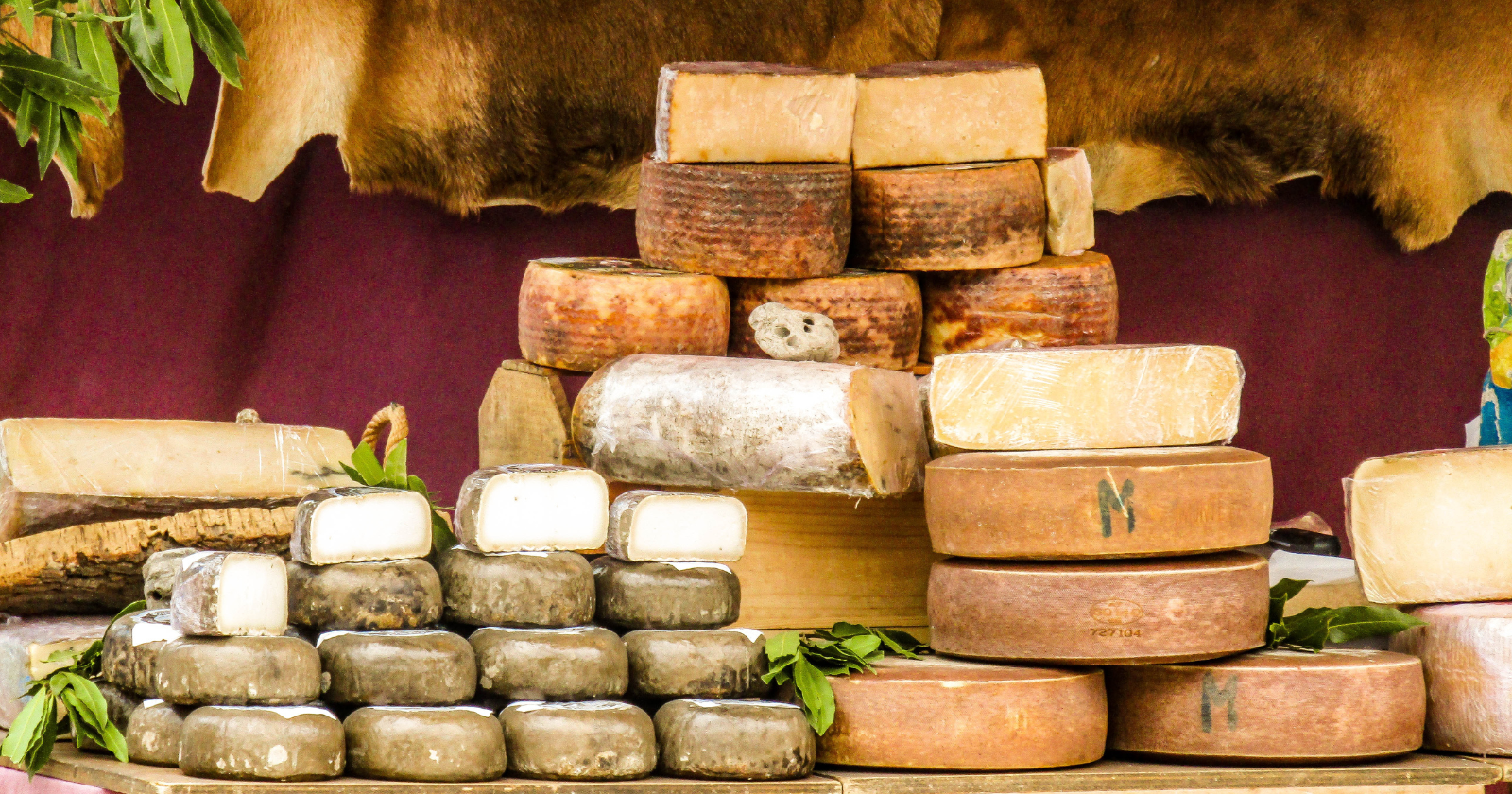
Casu marzu, the controversial Sardinian cheese often described as the island’s outlaw delicacy, continues to draw fascination because of how it is made and eaten. The product starts as pecorino, then is deliberately left exposed so flies can lay eggs inside it. By the time it is served, the cheese contains live larvae, giving it the moving, jumping appearance that made it infamous far beyond Italy.
What makes casu marzu so extreme is that the activity inside the cheese is part of the intended process, not spoilage in the usual sense. For supporters, it is a traditional food tied to Sardinian identity and rural customs. For critics and regulators, it is a clear food safety concern, which is why the cheese has been banned under European rules.
That tension has helped turn casu marzu into one of Europe’s most talked-about foods. Even with restrictions in place, the description suggests some locals still seek it out and accept the risk of fines to keep the tradition alive. Its reputation rests as much on defiance and cultural pride as on its unusual preparation.
The result is a delicacy that sits at the center of an ongoing clash between heritage and regulation. In Sardinia, casu marzu remains a symbol of local food culture, even as its Europe-wide ban keeps it on the edge of legality and fuels its notoriety.