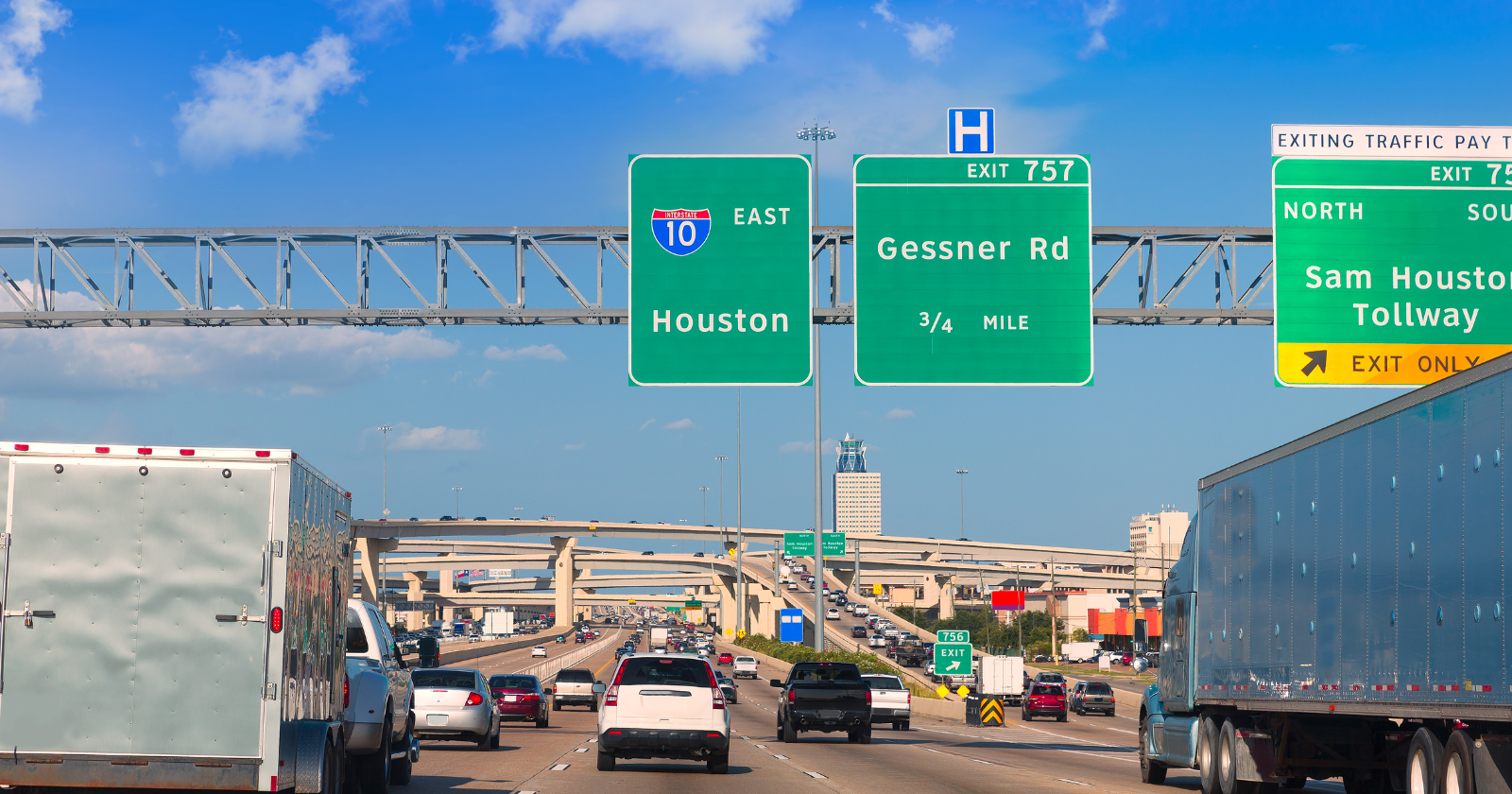
Houston’s Katy Freeway has become a widely cited example of why bigger roads do not always mean faster commutes. The west Houston highway was expanded to 26 lanes at a cost of nearly $3 billion, but the headline result was not lasting congestion relief. Within three years, some trips on the route were reportedly taking up to 51 percent longer.
The project highlights a planning concept known as induced demand. In simple terms, adding road space can attract more drivers, more trips and more development tied to car travel, eventually filling the new capacity. What begins as a major traffic fix can end up restoring the same bottlenecks, or even making them worse.
The scale of the Katy Freeway helps explain why the project draws so much attention. The roadway became so wide that, from the middle, it was difficult to make out businesses on the opposite side. That dramatic image matched the ambition of the expansion, but it also sharpened the contrast between the size of the investment and the disappointing long-term traffic outcome.
For planners and commuters, the Houston case stands as a cautionary tale. The lesson is not just about one freeway, but about the limits of trying to solve congestion by building more lanes alone. As the Katy Freeway experience suggests, traffic jams are often shaped by demand as much as by road width.