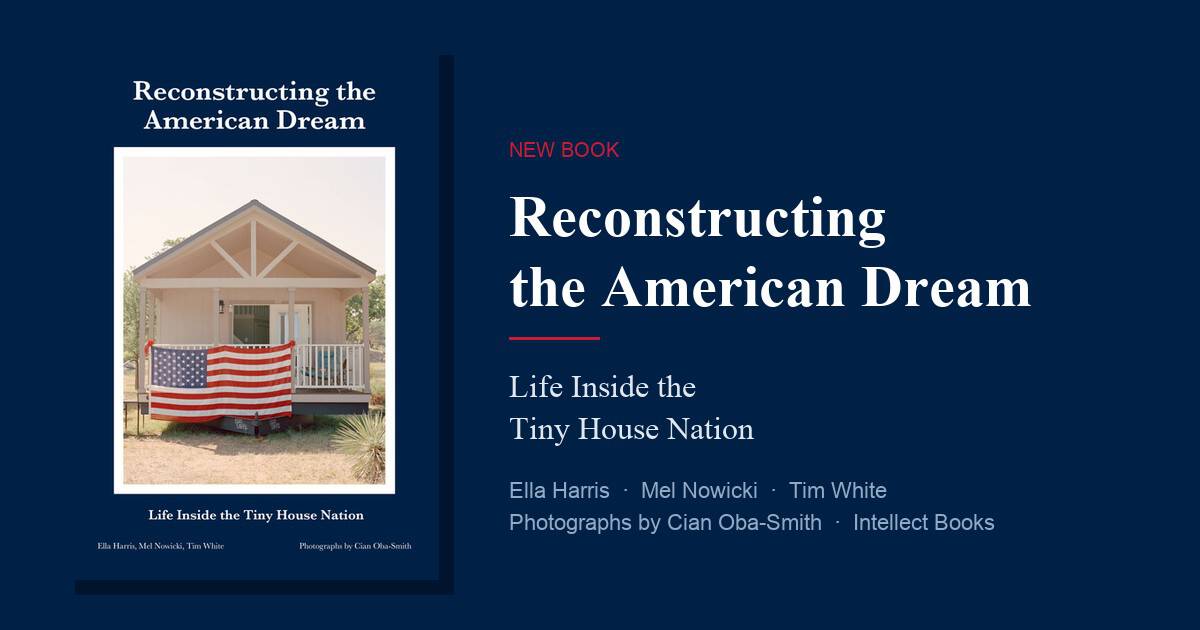
A year-long look at tiny house communities in Texas is raising a difficult question: are tiny houses a real answer to housing problems, or are they a sign of how strained the market has become? According to the description of the research, three geographers spent extended time in these communities and concluded that both ideas can be true at once.
On one side, the tiny house movement still carries the appeal that often draws people to it in the first place. Smaller homes can represent independence, simpler living and a sense of control over housing costs. That promise of freedom helps explain why tiny homes continue to attract attention from people looking for alternatives to traditional housing.
At the same time, the Texas research points to a more uncomfortable reading. If more people are turning to tiny houses because conventional homes have become too expensive or out of reach, then the trend also reflects a housing market that is not working well for many households. In that sense, tiny houses are not just a lifestyle choice but also a visible response to affordability pressure.
The central takeaway is that tiny houses should not be viewed only as a success story or only as a warning sign. In Texas, researchers found a movement that offers genuine benefits to residents while also revealing deeper problems in the broader housing system. That tension is what makes the tiny house debate especially relevant as housing costs remain a major issue.