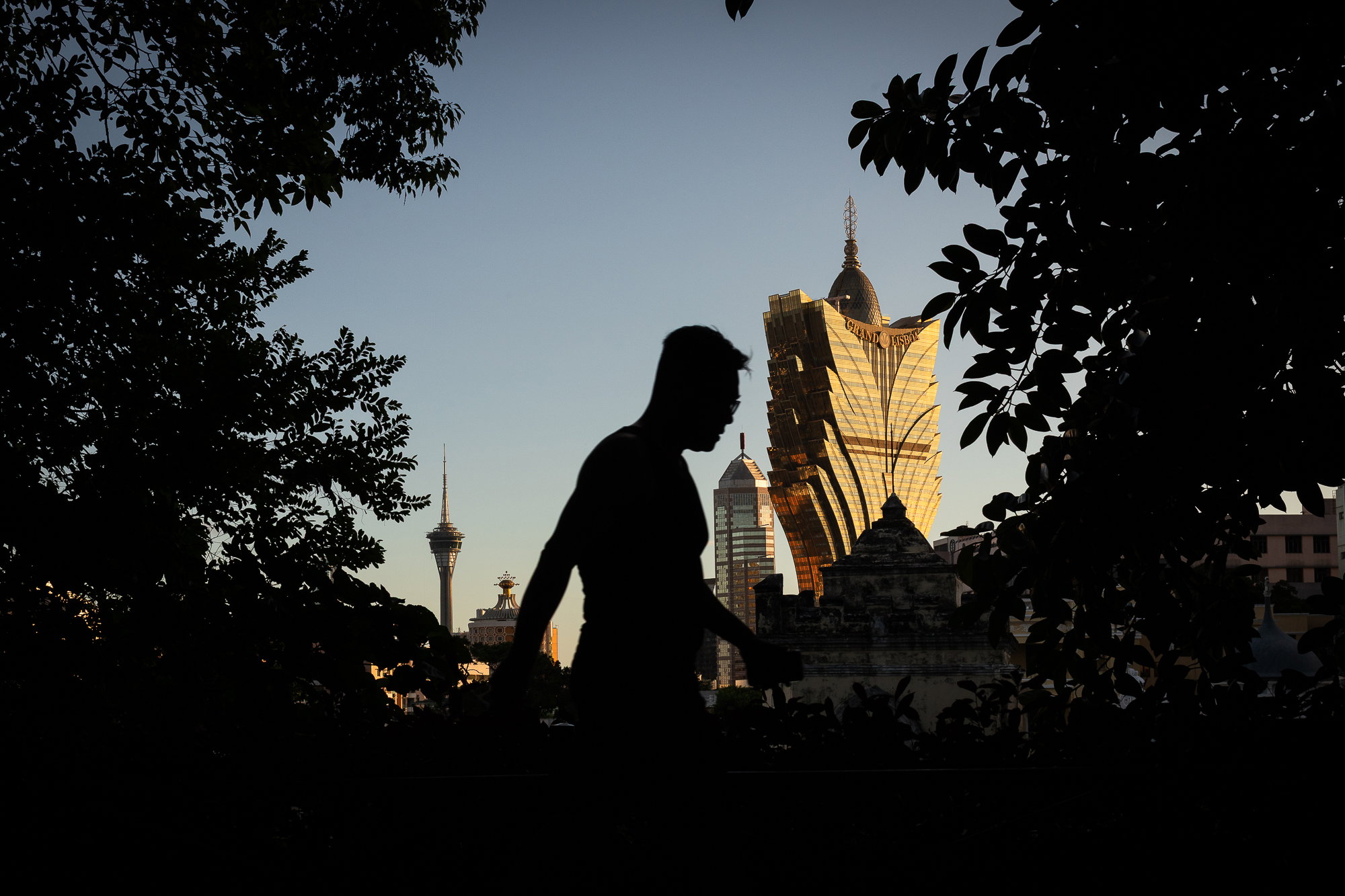
Macau is presented as a rare kind of destination: a city where Portuguese and Chinese influences do not simply sit side by side, but actively shape the same urban identity. Framed as the world’s first true fusion capital, the city is described as multifaceted and spatially surreal, with a character built from centuries of cultural overlap.
The article points to Macau’s modern turning point in the late 1990s, when Portugal returned the territory to China after more than four centuries of administration. That handover closed one long historical chapter, but it also opened another, leaving today’s Macau suspended between inherited traditions and a rapidly changing future.
What makes the moment feel urgent is the suggestion that the Macau visitors see now may not last for long. The city is portrayed as both beginning and ending at once: still defining its contemporary identity while older textures, rhythms and urban contrasts may soon be reshaped. That tension gives the destination a sense of immediacy for travelers interested in culture, history and place.
Rather than treating Macau as a simple stopover, the piece casts it as an insider’s destination worth understanding on its own terms. Its appeal lies in that layered mix of history, geography and everyday life, making Macau a compelling place to visit before its next transformation changes the balance again.