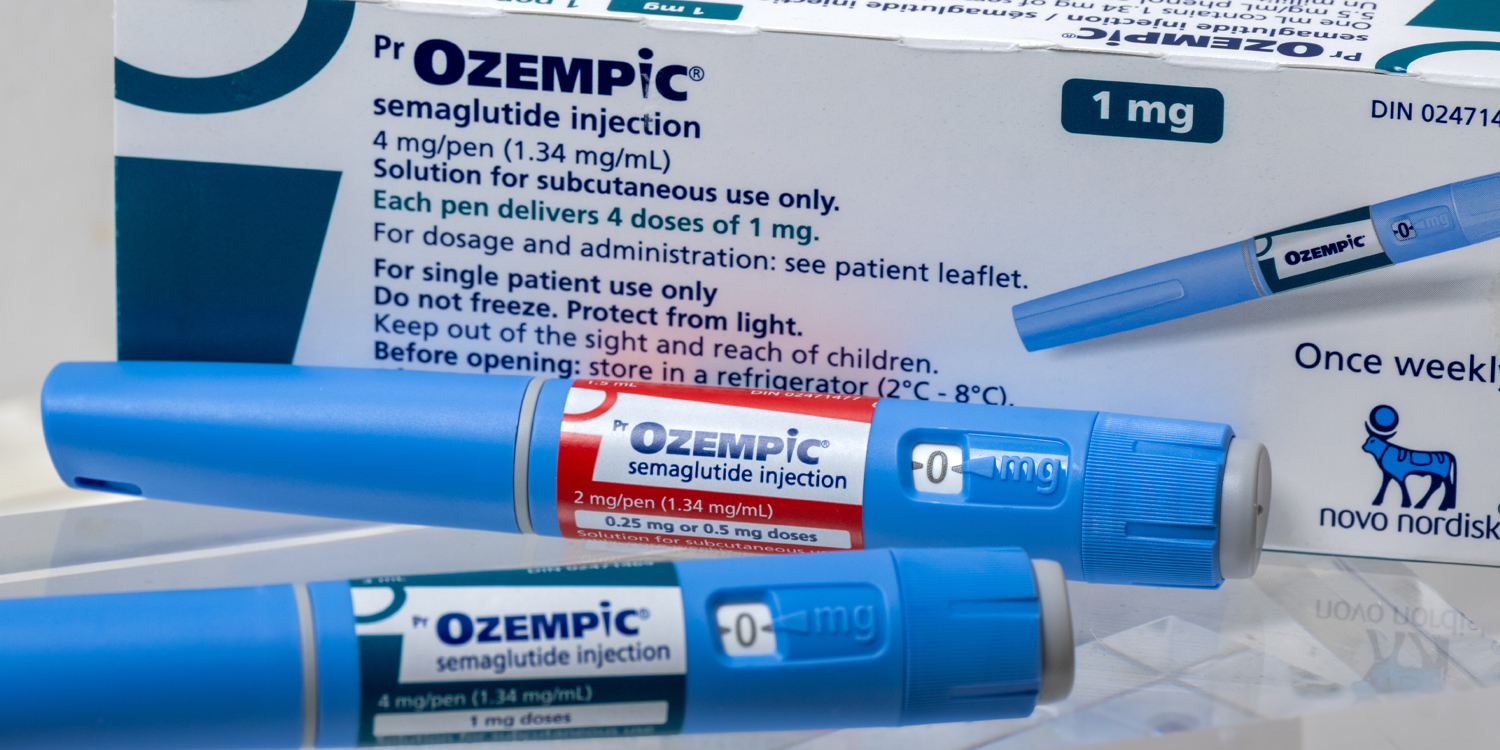
A new review points to a possible link between GLP-1 drugs such as Ozempic and the reduction of brain proteins tied to Alzheimer’s disease. The paper, published in Molecular and Cellular Neuroscience, examines research suggesting that medications commonly used for diabetes and weight loss could influence the biological markers associated with the condition.
According to the review, the most encouraging findings so far come from animal studies. Those studies suggest GLP-1 medicines may help clear or reduce plaque-related changes in the brain, raising interest in whether the same drug class could someday play a role in Alzheimer’s treatment research.
At the same time, the evidence in people is still limited. That means the review does not show that these medications are a proven way to prevent, slow, or treat Alzheimer’s disease in humans. Instead, it highlights an emerging area of research that needs stronger clinical data before firm conclusions can be made.
The findings add to growing attention around GLP-1 drugs beyond their current use in blood sugar control and weight management. For now, the review suggests potential promise, but it also underscores that more human studies are needed to determine whether the plaque-clearing effects seen in earlier research will translate into real benefits for patients.