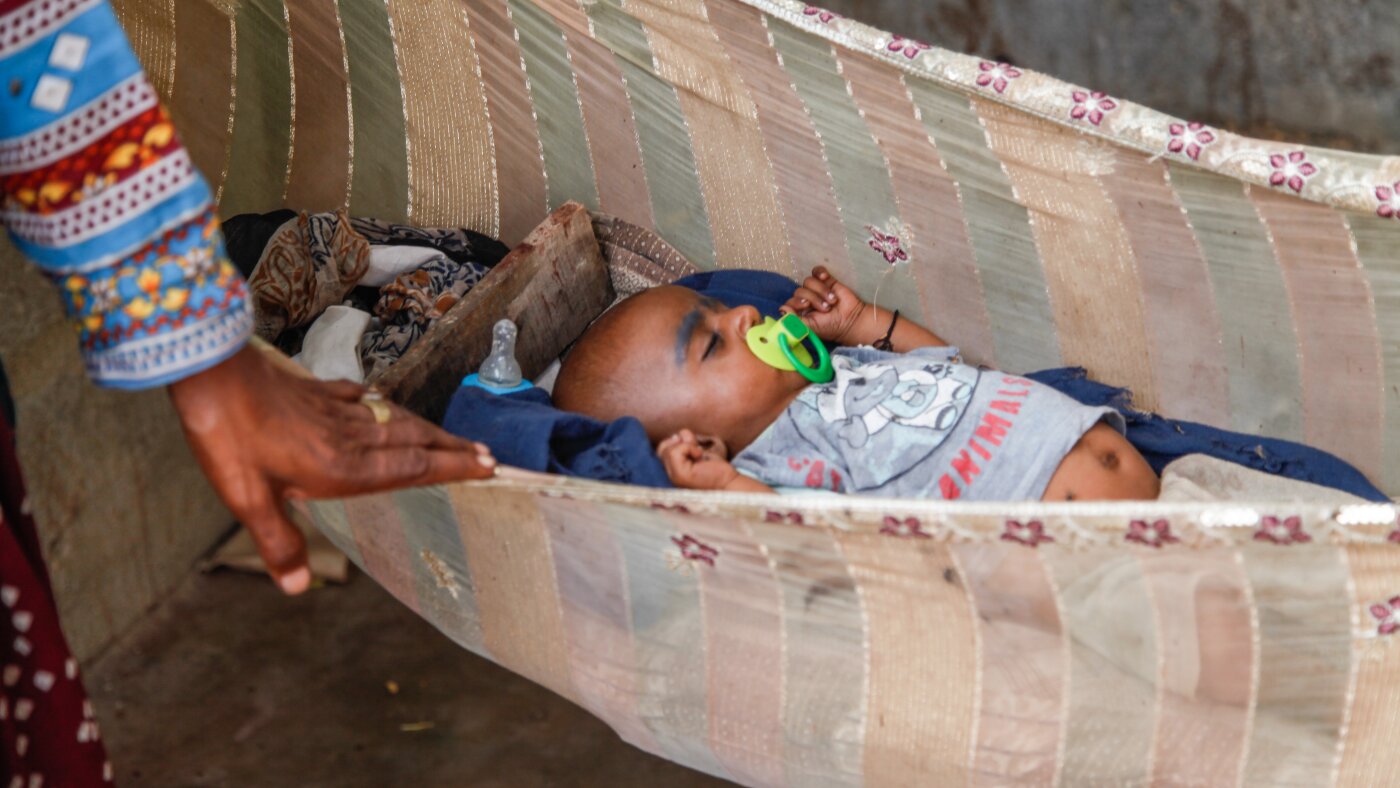
Researchers are looking into an alarming pattern in Rehri Goth, a fishing community in Pakistan, where roughly one in four babies are born prematurely. The unusually high rate has drawn attention from scientists trying to understand what is driving so many early deliveries and how the number can be reduced.
The settlement sits near a harsh environment shaped by long-term pollution and poor sanitation. According to the report, winds blow dust from sewage that has dried after being dumped for years on an arid riverbed near the community. That backdrop has raised concerns about whether environmental conditions could be affecting pregnancies.
Investigators are working to sort out which factors may be linked to the high level of preterm birth in Rehri Goth. The central question is not only why the rate is so elevated in this specific place, but also what practical steps could help protect mothers and babies.
The case highlights how local living conditions can become part of a larger public health puzzle. In Rehri Goth, researchers are focused on understanding the causes behind the community’s premature births so that efforts to lower the risk can be better targeted.