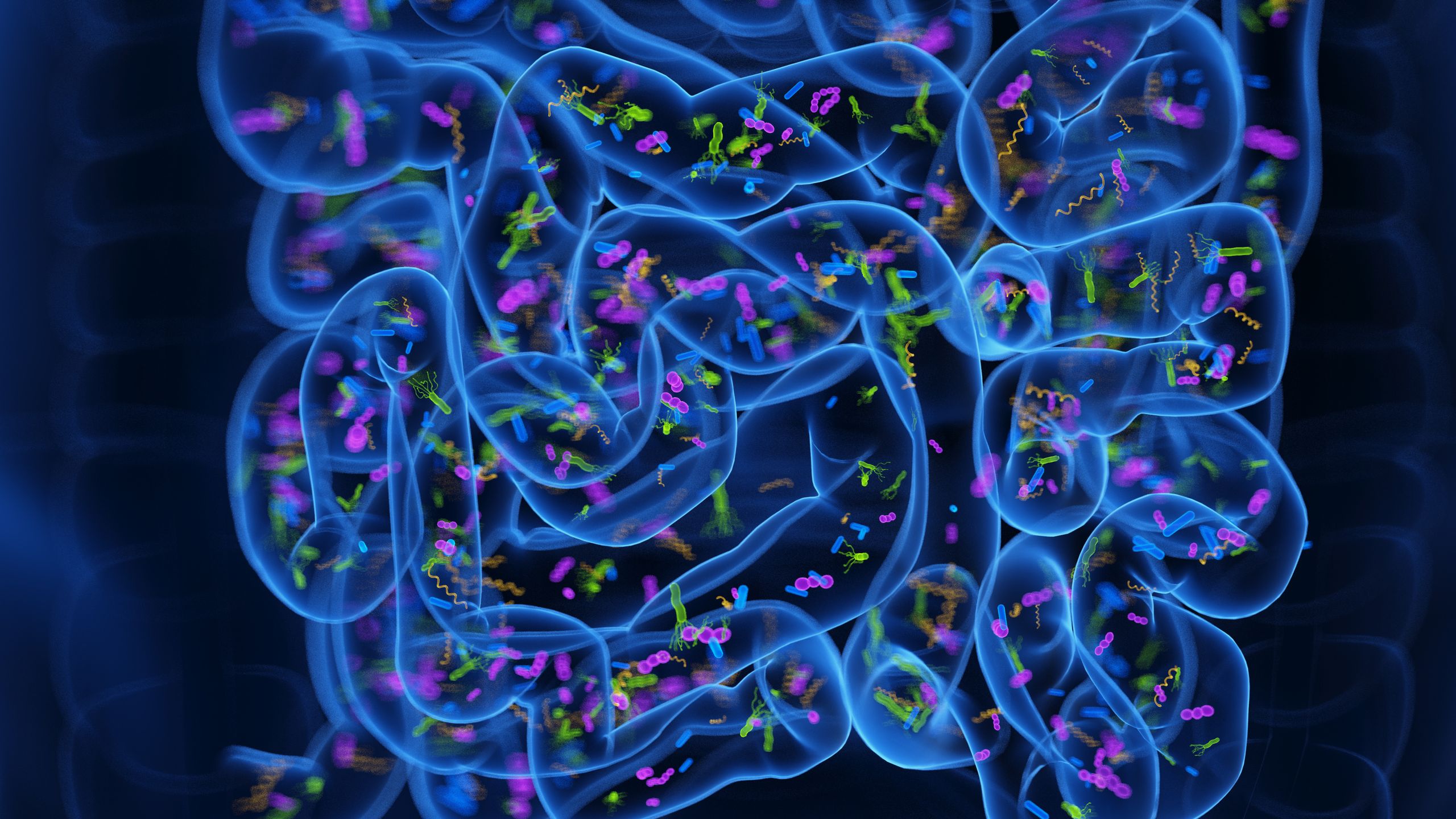
An early study suggests that changing the gut microbiome could help people with insomnia spend less time awake. Researchers are exploring fecal microbiota transplants, sometimes described as “poop pills,” as a way to reprogram gut bacteria and potentially improve sleep.
The idea is based on the growing interest in the gut-brain connection. Scientists have been investigating how the mix of microbes in the digestive system may affect processes far beyond digestion, including mood, stress responses and sleep patterns. In this case, the early findings hint that altering that microbial balance might ease some insomnia symptoms.
Fecal microbiota transplants are designed to introduce a different community of gut microbes into the body. If the approach proves effective, it could offer a new avenue for insomnia treatment that targets biology outside the brain itself. The reported benefit in this early work was a reduction in the amount of time participants spent awake.
Still, the research appears to be at an early stage, so the results should be viewed cautiously. More studies will be needed to confirm whether fecal microbiota transplants truly help insomnia, how strong the effect may be, and which patients, if any, could benefit most.