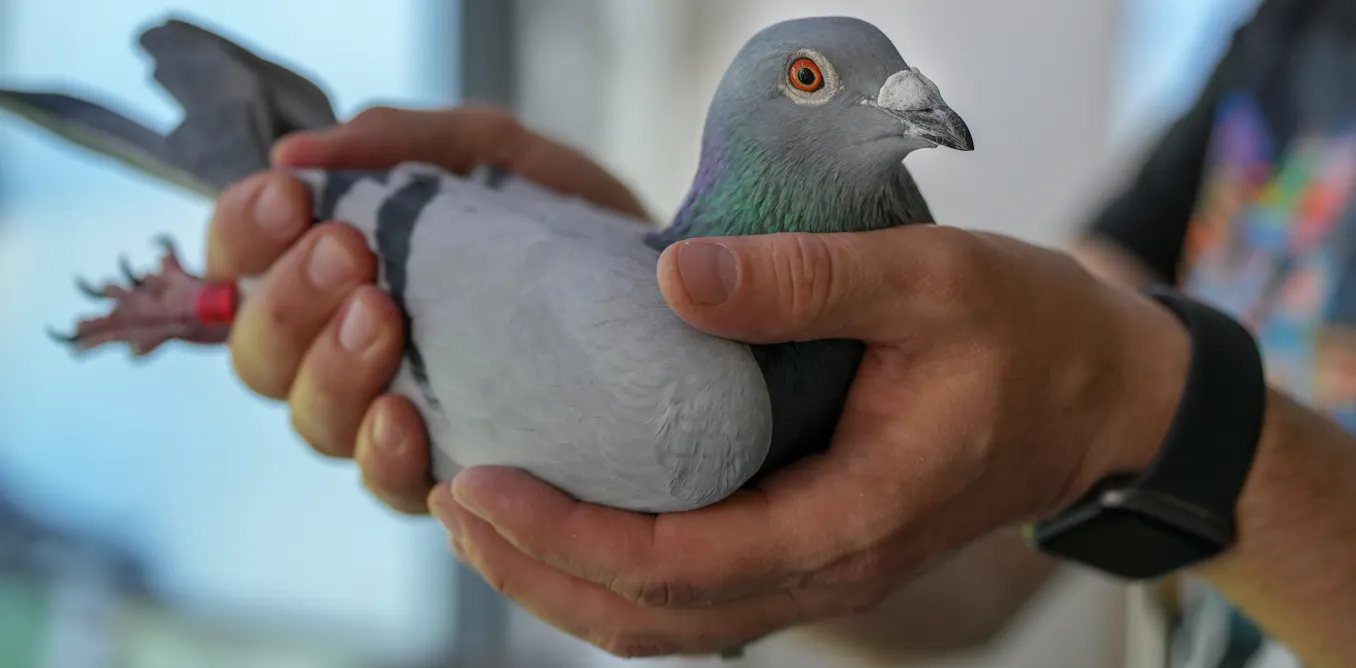
Pigeon fanciers are playing an unexpected role in lung disease research, as scientists examine how regular contact with birds may help explain why some people develop serious breathing problems while others do not. The work focuses on testing large numbers of pigeon enthusiasts to look for patterns that could make risk easier to predict.
The story also highlights how large and committed the pigeon world is. The sale of the Belgian racing pigeon New Kim for £1.44 million in 2020 showed the scale of money, competition and international attention around the hobby. That broad community now offers researchers a valuable group for studying lung health in real-world conditions.
By assessing hundreds of pigeon fanciers, scientists hope to identify which people are most vulnerable to this kind of lung illness and how it progresses. Better prediction could help doctors recognize problems earlier and tailor treatment more effectively for patients.
Researchers believe the findings may reach beyond pigeon keepers themselves. Insights from this work could improve understanding of a wider group of lung diseases, helping guide diagnosis and treatment for more people affected by similar inflammatory or exposure-related conditions.