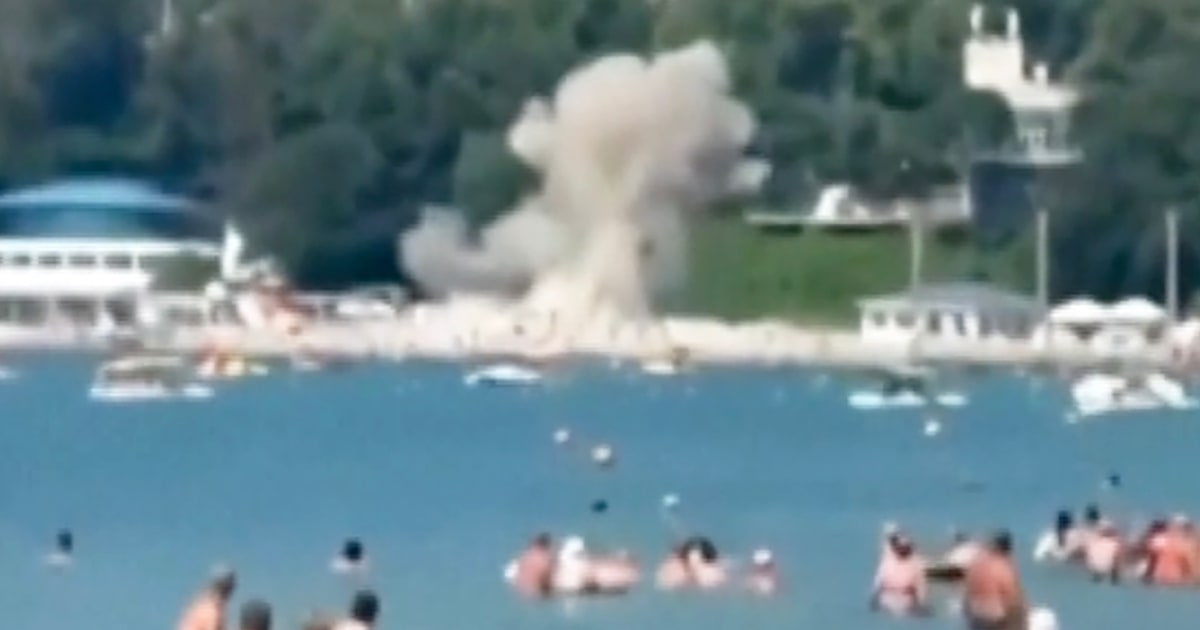
The confrontation involving Iran, the United States and Israel appears to be moving into a more dangerous stage, with concerns growing that Tehran may be more prepared to launch attacks rather than only retaliate after US action. That shift has raised the risk of a broader regional escalation at a time when military tensions are already high.
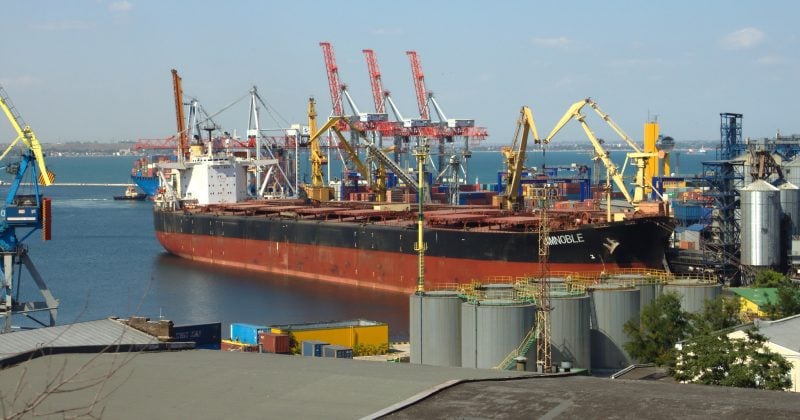
A major worry is the effect on energy flows around the Strait of Hormuz, one of the world’s most important oil transit routes. Any disruption there can quickly affect tanker traffic, shipping costs and the wider balance of global energy supply, making the conflict a concern far beyond the Middle East.
Markets are watching the situation closely because even limited instability near key maritime routes can push up uncertainty over crude exports and fuel prices. The threat is not only direct damage from attacks, but also the wider impact of security fears on trade, insurance and transport planning.
With Iran, the US and Israel all deeply involved, analysts see the current moment as more volatile than a cycle of simple retaliation. If tensions continue to spread from military exchanges to energy infrastructure and shipping lanes, the conflict could have wider economic consequences for countries far from the battlefield.

![Day 1,623 of WW3. Today's MadLib: UAF uses sea drones to carry FPV drones to attack Crimean radars. Orcs destroy 300 year old Cossack church in Kherson, and another Widlberries warehouse has a sale on cotton. This is your Tuesday Ukraine war thread [News]](https://usrimg-full.fark.net/S/Sc/fark_ScK2-Rj1YUbqjDR8apivwZuDaxc.png?AWSAccessKeyId=JO3ELGV4BGLFW7Y3EZXN&Expires=1786334400&Signature=E%2BnUtSPWmcfIKWli9V%2FJVvIa6tw%3D)