A pullback from climate targets at the World Bank could hit India especially hard, because the country’s biggest risks are concentrated in places that often struggle to attract financing. The concern is not only about the total amount of climate money available, but also about where that money goes and which communities are left waiting.
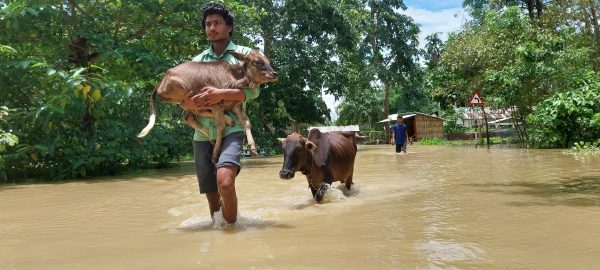
According to the Climate Vulnerability Index cited in the report, more than 80 percent of India’s population lives in districts that are highly vulnerable to floods, droughts and cyclones. That makes local resilience spending critical. Yet many of the projects that protect lives and livelihoods in villages are not the kinds of investments lenders find easiest to back.
The funding gap is most visible in practical adaptation work such as embankments, water systems, shade and shelters. These measures can be essential for rural communities facing repeated weather shocks, but they may lack the scale, returns or lending structure that make bigger infrastructure or energy projects more attractive to finance providers.
If climate finance continues to flow mainly to areas where lending is simpler, India’s most exposed districts could face rising pressure with too little support. For vulnerable communities, the stakes are immediate: weaker protection against disasters, greater strain on agriculture and water supplies, and fewer resources to adapt as extreme weather risks grow.