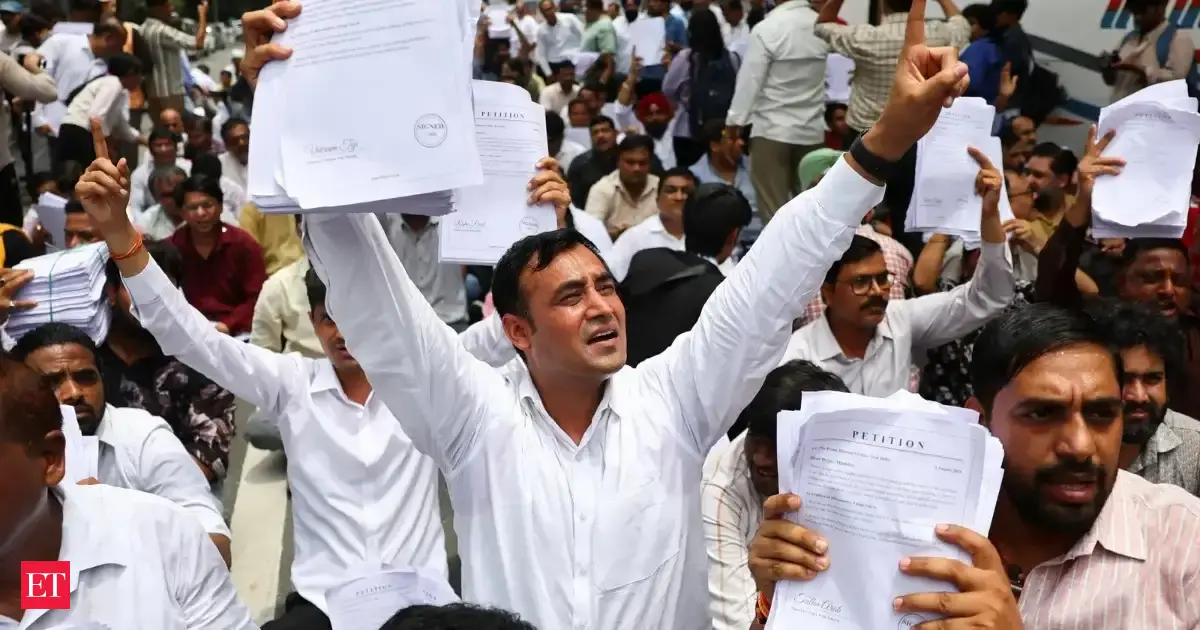
India’s move to expand ethanol-blended petrol is facing sharper opposition as protests build against the planned wider use of E20 fuel. A march held on Tuesday called on the government to reconsider making E20 petrol the national standard, turning what was presented as a fuel transition into a broader public debate.
The backlash is being driven largely by motorists who fear that E20 petrol could harm some vehicles and reduce fuel efficiency. Those concerns have helped fuel political criticism as well, with opponents arguing that drivers may end up paying the price if performance drops or compatibility issues emerge.
The government has pushed back on the strongest claims, saying there is no evidence of widespread engine failures linked to E20. At the same time, officials have acknowledged that ethanol-blended petrol can cause a small dip in fuel efficiency, an admission that has kept the issue alive among consumers already wary of changing fuel standards.
As India presses ahead with its ethanol-blended petrol policy, the dispute over E20 is becoming a test of how quickly fuel reforms can move when everyday drivers remain unconvinced. For now, the controversy is centered on a simple question: whether the benefits of the policy outweigh the worries being raised by vehicle owners and protesters.