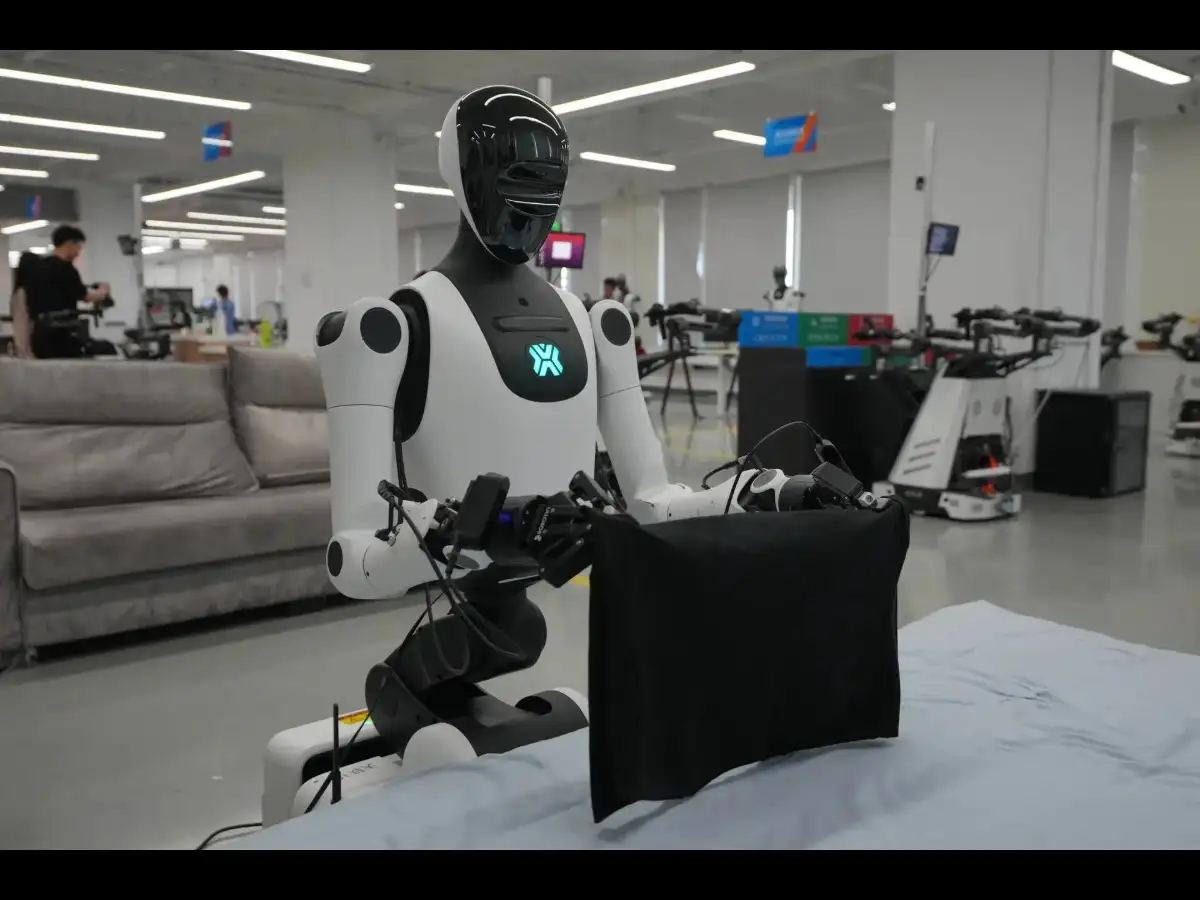
U.S. robotics companies are weighing the impact of a new federal move aimed at connected machines from abroad. The issue centers on the Federal Communications Commission’s Covered List, first published in 2021, which identifies communications equipment and services the agency says pose a national security risk. On July 28, the FCC expanded that list to include certain mobile, communicating robots.
That change has put the robotics sector on alert because many modern robots depend on wireless links, remote software features and other communications tools. For companies that build, sell or deploy these systems, the key questions are likely to focus on which products fall under the rule, how compliance will be handled and whether the decision could reshape purchasing choices in the U.S. market.
The broader debate reflects a familiar tension in technology policy: protecting national security while avoiding disruption to fast-growing industries. Connected robots are increasingly used in commercial and industrial settings, so any restrictions tied to communications risks can have implications beyond hardware alone. Businesses in the field are now looking closely at how regulators define affected machines and what standards may follow.
For the robotics industry, the FCC action is more than a narrow regulatory update. It signals that mobile robots are now part of a wider U.S. security conversation around networked devices, foreign suppliers and critical technologies. As companies assess the change, attention is likely to remain on how the rule is interpreted and whether it leads to further scrutiny of connected robotic systems.