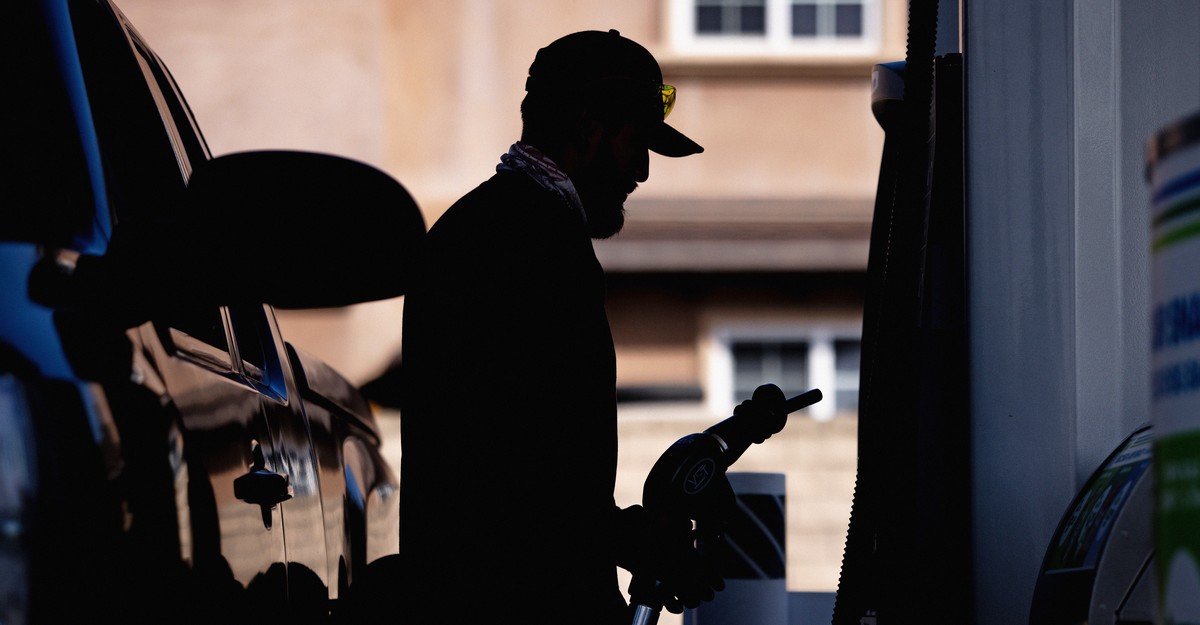
High gas prices are emerging as a major political and economic problem, with the article linking the surge at the pump to Donald Trump’s decision to go to war with Iran in February. The piece argues that fuel costs have become one of the clearest pain points for consumers and a significant reason for Trump’s weak approval rating.
The central argument is that drivers should not expect a rapid decline in gasoline prices even if the Iran war were to end quickly. Energy markets often remain unsettled after a military conflict begins, and the effects can continue through supply concerns, trader expectations, and broader uncertainty tied to oil production and transport.
That means any hope for immediate relief at gas stations may be misplaced. The article suggests that once prices jump because of a geopolitical shock, the return to lower levels can be slow, leaving households and businesses to absorb higher transportation and fuel costs for longer than many expect.
Beyond the economic strain, the issue carries clear political consequences. Gasoline prices are among the most visible measures of economic stress for voters, and sustained increases can deepen public frustration with the White House, especially when the price spike is tied to a major foreign-policy decision.