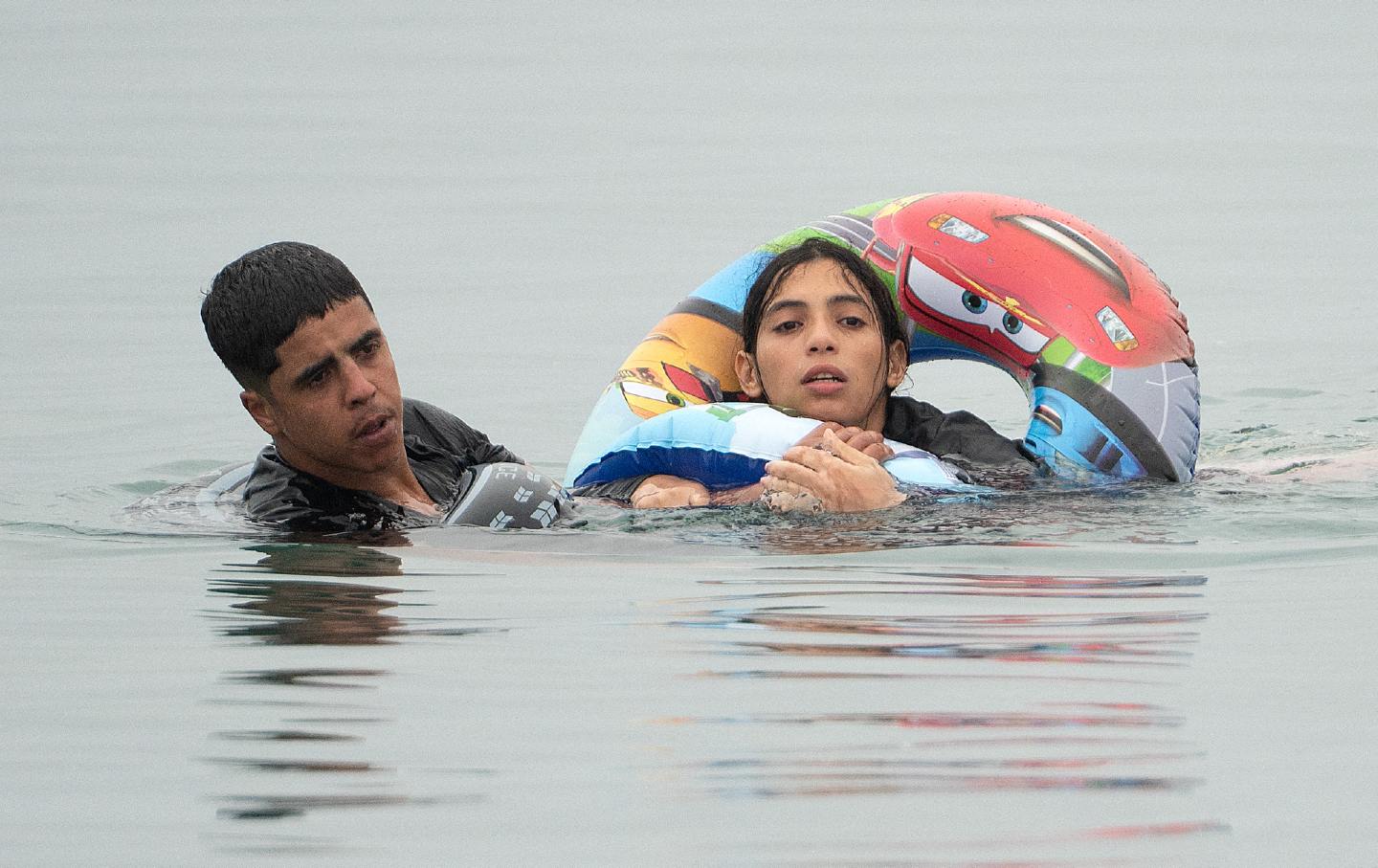
A recent analysis by Laila Lalami argues that the latest crisis linked to Morocco cannot be understood as a one-off event. Instead, it reflects deeper social and political pressures that have been building for years, especially among young people facing limited prospects at home.
The central warning is that migration emergencies and wider public turmoil will keep returning unless Morocco addresses the conditions pushing people toward desperation. The piece points to a need for better access to jobs, stronger education, more reliable healthcare, and greater protection of human rights.
In that view, the scenes witnessed in the past week were not simply about border movement or crowd behavior. They were the visible result of unmet needs among a generation that feels blocked economically and politically. When opportunity is scarce and basic protections are weak, moments of crisis can spread quickly.
The broader takeaway is that lasting stability depends on structural reform rather than short-term containment. Without meaningful improvements in daily life for young Moroccans, the pressures behind this latest episode are likely to produce similar crises again.
![The US wins the right to say it's spent 'virtually all' of its long-range precision missiles during all the glorious Iranian war victories. So much victorying [Obvious]](https://img.fark.net/images/2013/site/farkLogo2Big.gif)