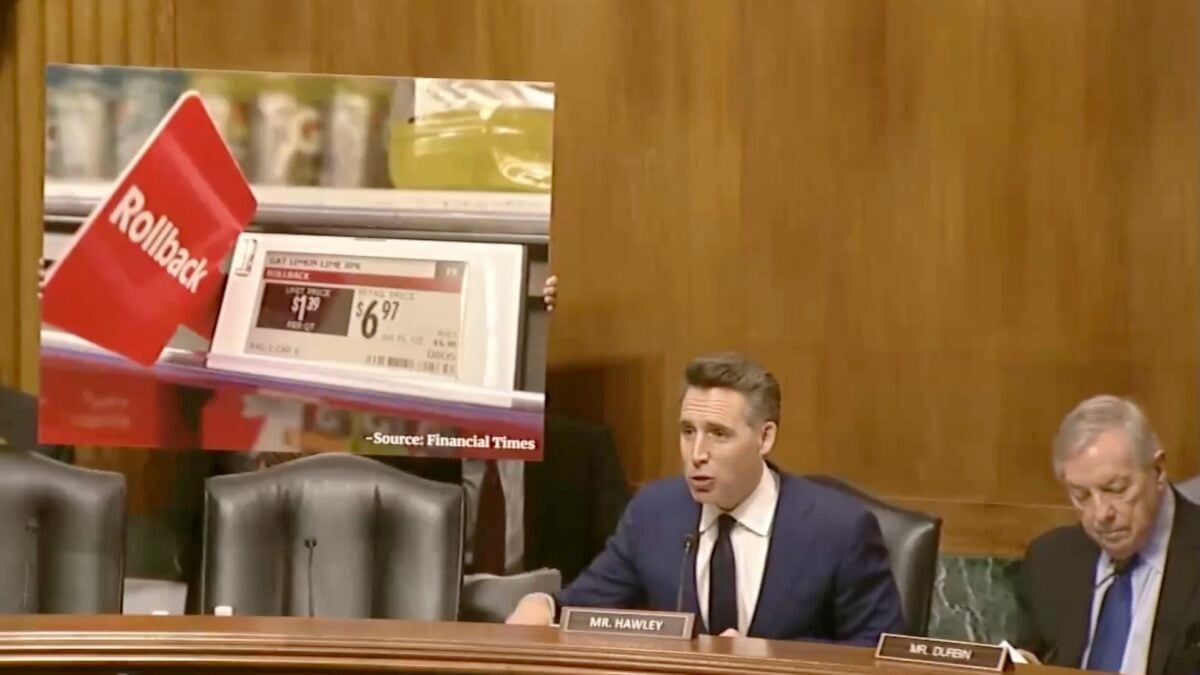
Republicans and Democrats found an unusual point of agreement during a U.S. Senate hearing on Tuesday: neither side appeared comfortable with surveillance pricing, a practice in which companies use personal data to help determine what individual customers pay.
The hearing placed AI surveillance pricing at the center of a broader debate about privacy, fairness and corporate power. Although lawmakers remain divided on many issues, the pricing model brought criticism from both parties.
The discussion reflects growing concern that consumers may face different prices based on information collected about them. Critics see the approach as combining several unpopular elements of modern technology and commerce, including extensive data collection and less transparent pricing decisions.
The bipartisan response suggests surveillance pricing could become an issue that crosses the usual political divide, as senators examine how personal information is used in setting prices.