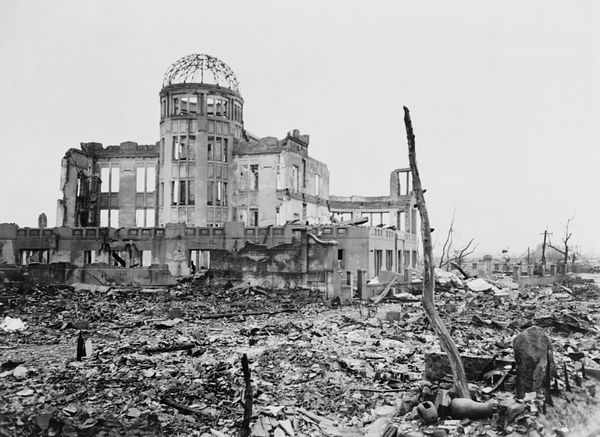
On the 81st anniversary of Japan’s atomic bombing, the number of hibakusha—survivors of the attacks—is declining. Their disappearance comes as concern over nuclear weapons appears to be losing urgency in parts of the world.
Terumi Tanaka was 13 when Nagasaki’s sky was transformed by a blinding white flash. The scene became a lasting memory of destruction, including the blazing inferno that followed. Now 97, Tanaka remains among the survivors able to describe what the bombing meant in human terms.
The passing of the hibakusha raises fears that firsthand accounts of the atomic bombings will become increasingly distant. Their testimony has long served as a warning about the consequences of nuclear weapons and the need to preserve the memory of those who experienced them.
As survivor numbers fall, the challenge is not only remembering the bombing of Nagasaki but also resisting the growing numbness surrounding the cause the hibakusha have carried for decades.