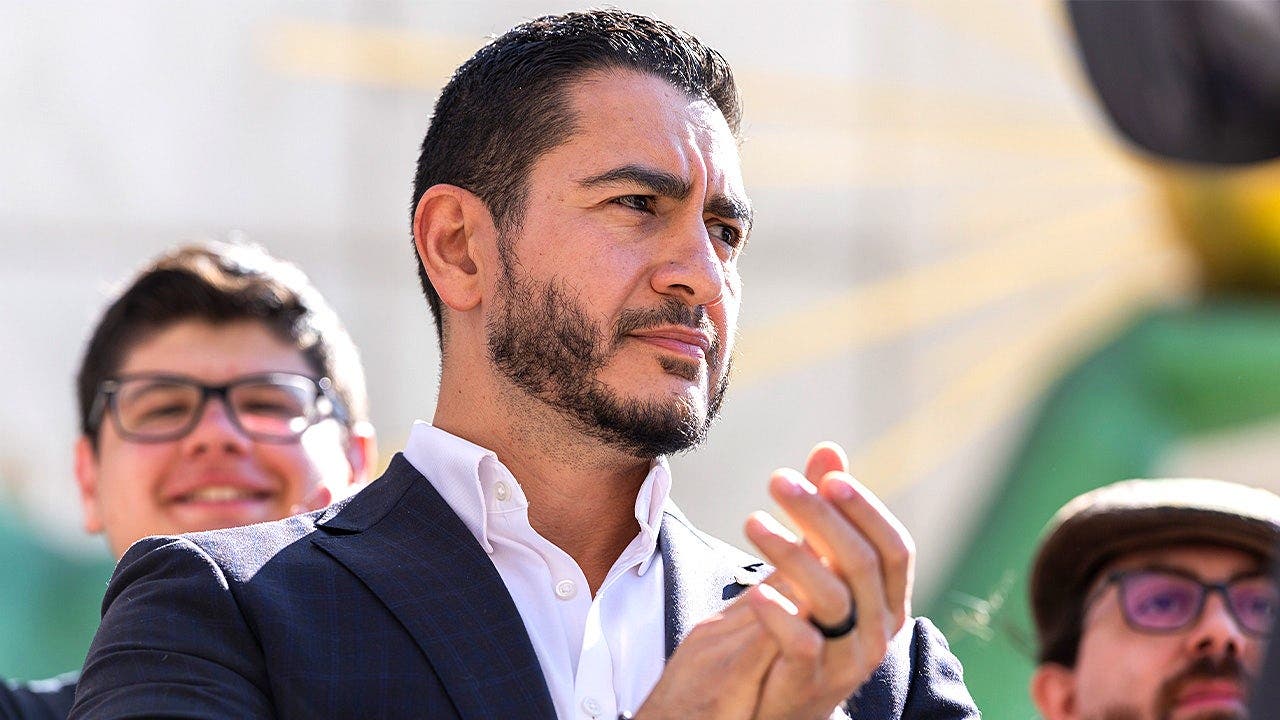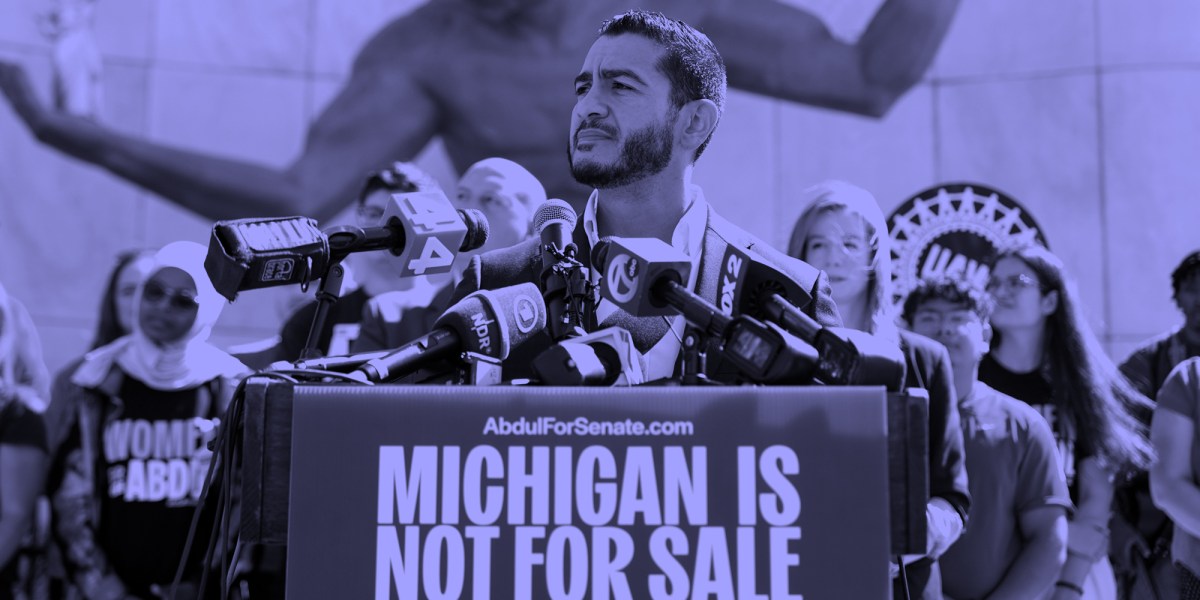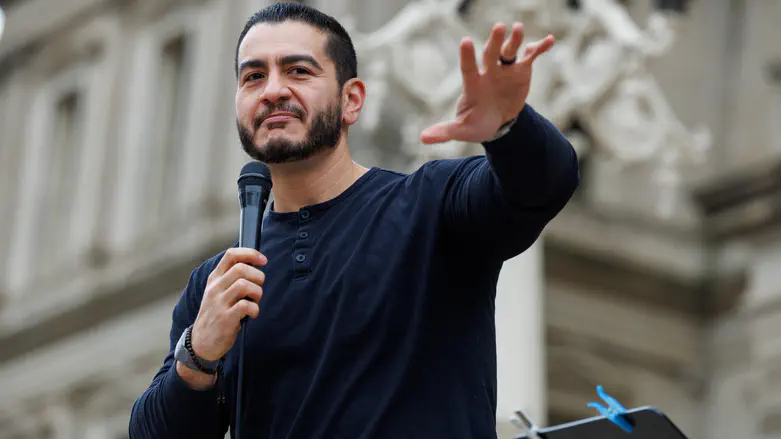
Abdul El-Sayed has won the Democratic primary for Michigan's open U.S. Senate seat, defeating Rep. Haley Stevens in one of the party's most closely watched contests. The race drew national attention because it was seen as a test of strength between progressive Democrats and the party's more establishment-aligned, pro-Israel wing.
El-Sayed, a former public health official backed by progressives, emerged from a primary that went beyond a typical candidate matchup. Stevens entered the race with support from AIPAC, making the contest a prominent marker of how Democratic voters are responding to debates over Israel and U.S. policy in the region.
The result is being viewed as another setback for Democrats' pro-Israel faction, especially in a race where outside support and ideological positioning were central to the campaign's identity. Michigan has been a key state for that debate, and the primary outcome is likely to be read as a sign of where parts of the Democratic base currently stand.
With the primary settled, attention will now shift to the general election and to what El-Sayed's victory may signal for future Democratic races. Beyond Michigan, the contest underscores how internal divisions over foreign policy can shape major Senate campaigns.