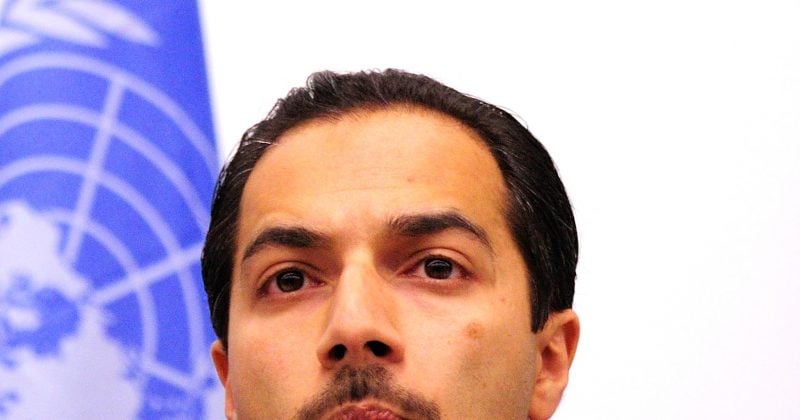
Trita Parsi is warning that Israel’s continued military presence in southern Lebanon could become a major barrier to any lasting regional ceasefire. His argument centers on the idea that keeping forces on the ground would sustain friction at a time when wider de-escalation is needed across the region.
According to the summary of his remarks, the issue is not limited to the Israel-Lebanon front alone. A prolonged presence in southern Lebanon could deepen tensions, increase the risk of renewed confrontation, and make broader regional stability harder to achieve.
Parsi’s view also points to the diplomatic consequences of an extended deployment. If military pressure remains in place, efforts to negotiate a durable settlement may face added obstacles, with trust and political space for compromise becoming more difficult to secure.
The broader takeaway from his analysis is that the path to a lasting regional ceasefire may depend on reducing military flashpoints rather than maintaining them. In that framing, southern Lebanon remains a critical test for whether diplomacy can move ahead or whether instability will continue to spread.