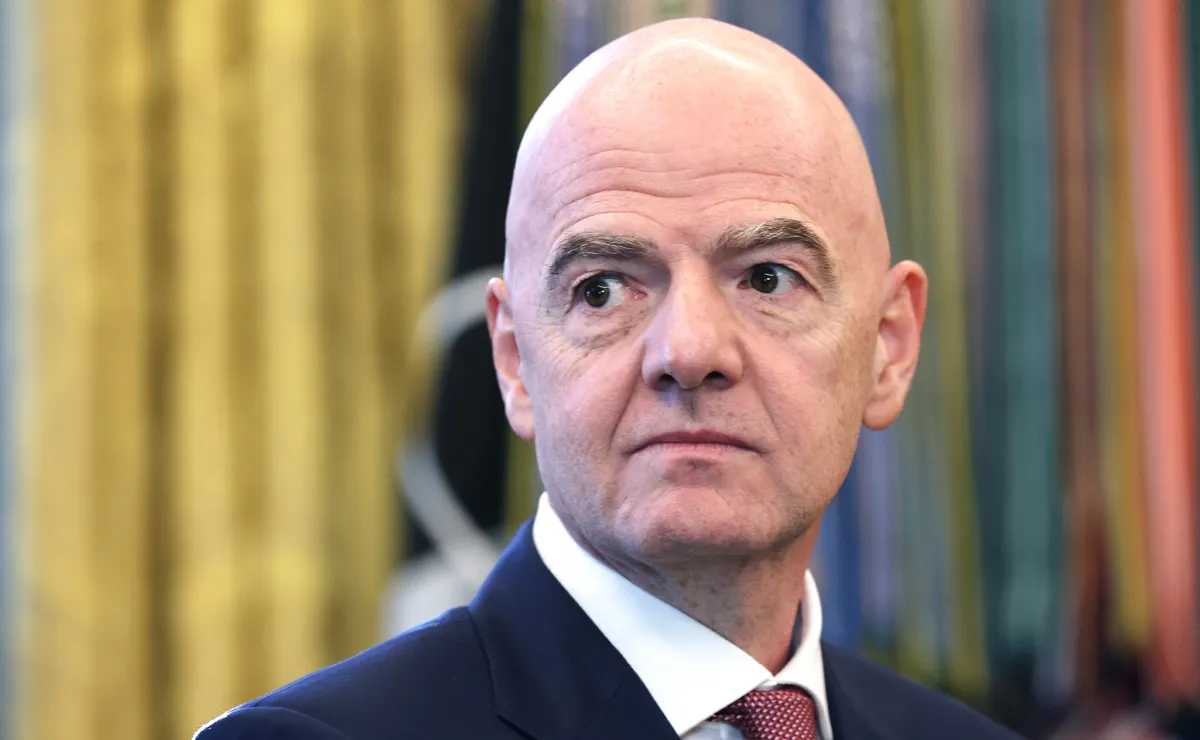
Gianni Infantino is facing what appears to be the biggest challenge of his time as FIFA president, after a controversial World Cup proposal fell apart and sparked wider resistance across international soccer. What began as discontent in Europe has now developed into a broader debate about FIFA’s direction and the kind of leadership member federations want ahead of the next election.
UEFA’s growing opposition has become a central part of the story, but the fallout is no longer limited to Europe. Federations in Africa and Asia are also weighing their positions, turning the issue into a global test of support for Infantino. That shift matters because FIFA elections are decided by a worldwide voting base, not by one region alone.
The dispute highlights a deeper struggle over governance, influence and the future shape of the international game. With resistance spreading across multiple continents, the conversation has moved beyond one failed proposal and toward a larger question: whether FIFA’s current leadership still has the confidence needed to hold together the sport’s competing interests.
As the next FIFA election moves closer, the pressure on Infantino is likely to intensify. The current moment suggests world soccer is entering a period of political conflict in which Europe’s criticism, and the responses from African and Asian federations, could help determine the balance of power at the top of the game.
