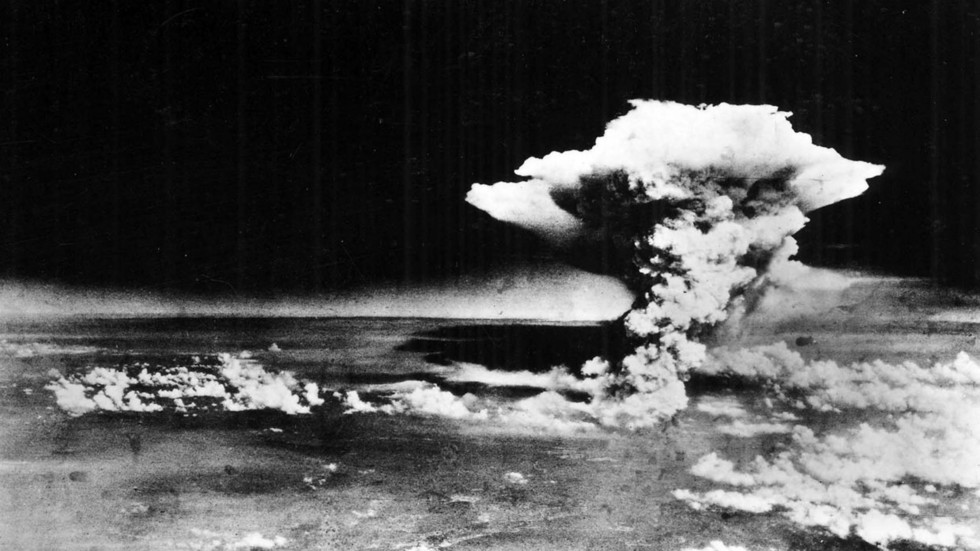
The world is marking the 81st anniversary of the atomic bombings of Hiroshima and Nagasaki, carried out by the United States during the final days of World War II. The attacks took place on August 6 and August 9, 1945, and remain central to discussions about the consequences of nuclear warfare.
The anniversaries renew attention on the human impact of the bombings and on the enduring debate over whether nuclear weapons provide security or create unacceptable risks. Hiroshima and Nagasaki continue to serve as symbols in international arguments for restraint, remembrance and disarmament.
The anniversary also prompts renewed examination of the global nuclear stockpile. While the events belong to the history of World War II, the continued existence of nuclear arsenals keeps the question of nuclear danger relevant to world affairs today.