A commentary linking the Strait of Hormuz crisis to the Suez episode argues that the current confrontation may have a diplomatic off-ramp. According to the piece, Oman and Iran appear close to a temporary arrangement to reopen the Strait of Hormuz, creating a possible exit from the latest round of fighting.
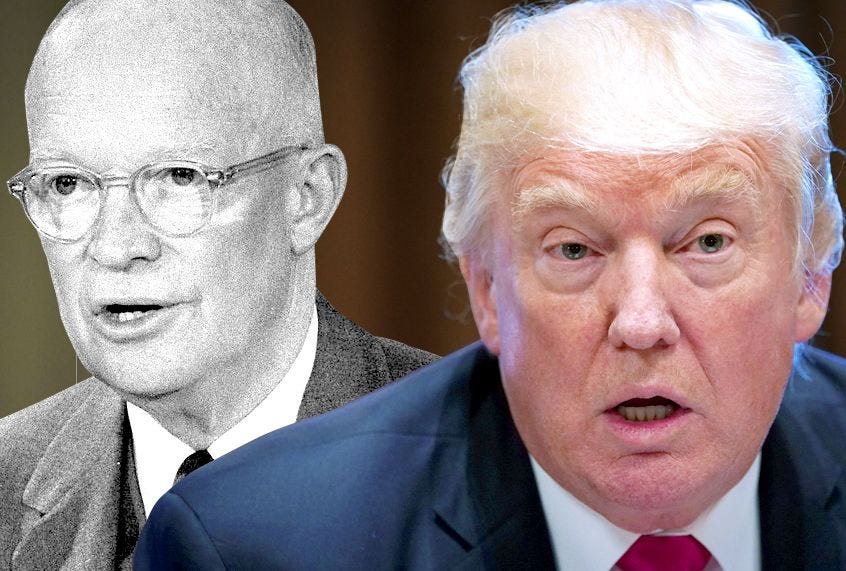
The comparison to Suez frames the Hormuz dispute as more than a narrow shipping issue. It suggests that a waterway crisis in the Middle East can quickly become a broader test of political judgment, regional stability and great-power strategy. In that context, the article asks what Donald Trump can learn from Dwight Eisenhower when faced with a fast-moving maritime standoff.
The analysis points to reopening Hormuz not only as a short-term de-escalation measure but also as a possible foundation for a more durable maritime order. That makes the immediate negotiations significant beyond the battlefield, because restoring passage through the strait could reduce pressure while creating room for longer-term arrangements.
By invoking Eisenhower and Suez, the piece presents history as a guide for handling the Strait of Hormuz without allowing the crisis to deepen further. Its central idea is that diplomacy around a strategic chokepoint can shape whether a regional clash widens or begins to move toward a more stable settlement.