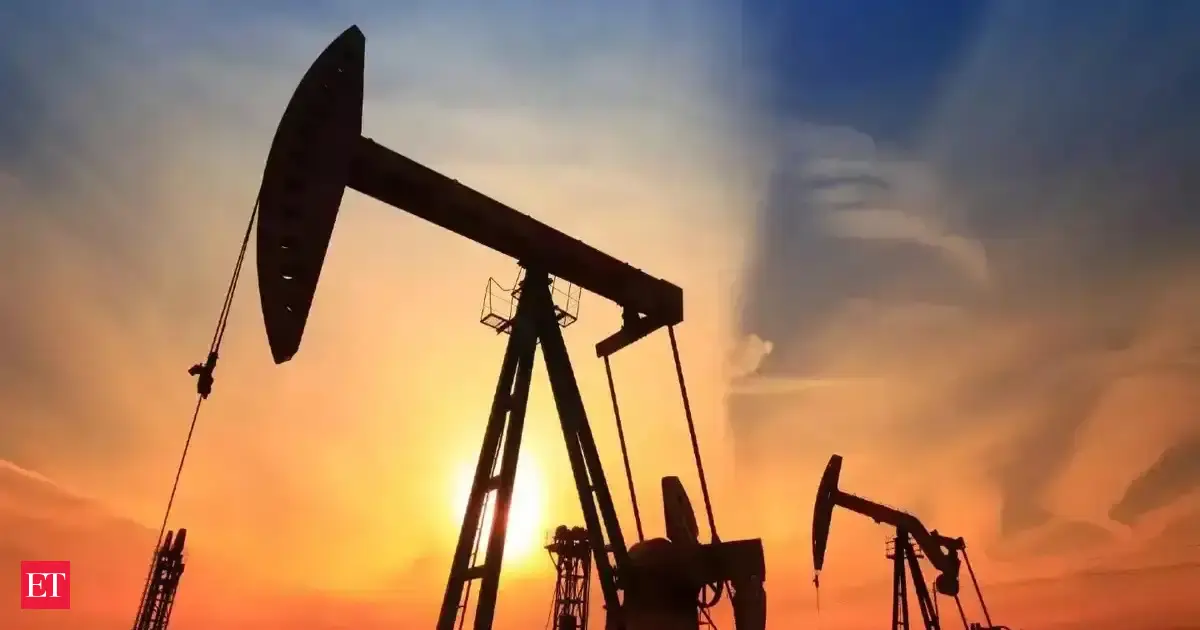
Global oil markets have so far avoided the kind of severe disruption that many feared during the early stage of the Iran war. But that relative calm may be harder to maintain as fighting resumes and traders weigh the possibility of tighter supplies.
The main concern is that the market’s traditional shock absorbers are no longer as strong as they once were. With supply buffers worn down, the system has less room to absorb sudden losses or transport disruptions without sending prices sharply higher.
That leaves crude markets more exposed to geopolitical risk. Even without an immediate supply crunch, renewed conflict can increase volatility as buyers, sellers and investors react to the threat of tighter availability in an already stretched market.
In that environment, the danger is not only a steady rise in oil prices but also a rapid spike if conditions worsen. A thinner cushion means any new disruption could have a bigger impact on energy costs worldwide.