The latest World Cup review argues that the tournament was never just about the action on the field. As with past editions, the competition became a global platform where national image, political symbolism and sporting spectacle were tightly linked.
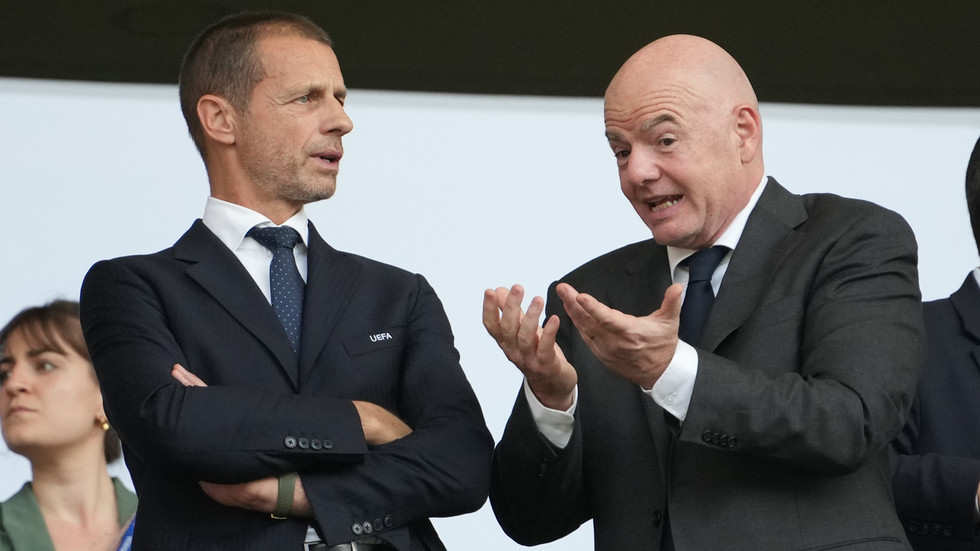
Framed as an A-to-Z look at the summer’s biggest crossover moments, the piece traces how political issues surfaced around the event. The title points to a wide range of references, suggesting everything from territorial sensitivities to the role of FIFA leadership and other unusual side stories that helped define the broader mood of the tournament.
At the center of the analysis is a familiar idea: the World Cup gives governments and public figures a rare chance to be seen on one of the world’s biggest stages. That can mean projecting influence, seeking visibility or attaching political meaning to a competition that draws a massive international audience.
Taken together, the review presents the World Cup as a mirror of world affairs as much as a sporting contest. The matches may drive the headlines, but the surrounding debates over power, identity and public image remain an inseparable part of the event.