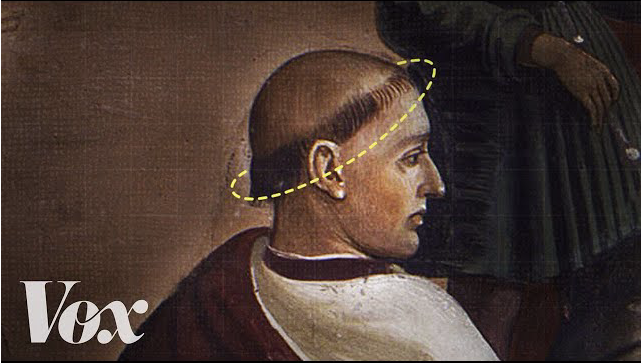
The monk’s haircut, better known as the tonsure, is often easy to misunderstand from a modern perspective. What can look today like a practical way to manage thinning hair was not simply a response to baldness. The history behind the style is much older, more symbolic and far more contested than that casual assumption suggests.
At its core, the tonsure became associated with religious life, marking monks apart from the wider world. Rather than being a fashion choice, it functioned as a visible sign of discipline, identity and devotion. That gave the hairstyle a meaning that went well beyond appearance, helping define what monastic life looked like in public.
The story is also described as contentious, pointing to the fact that the tonsure was not just a neutral tradition. Different forms and interpretations carried weight inside religious communities, and debates over how it should be worn reflected larger arguments about authority, custom and belonging. In that sense, a haircut could become part of a much broader struggle over tradition and legitimacy.
Seen through that lens, the history of the monk’s tonsure is less about grooming and more about culture, belief and power. What may seem like a simple monastic hairstyle turns out to have deep roots and a complicated legacy, shaped by centuries of religious meaning and disagreement.