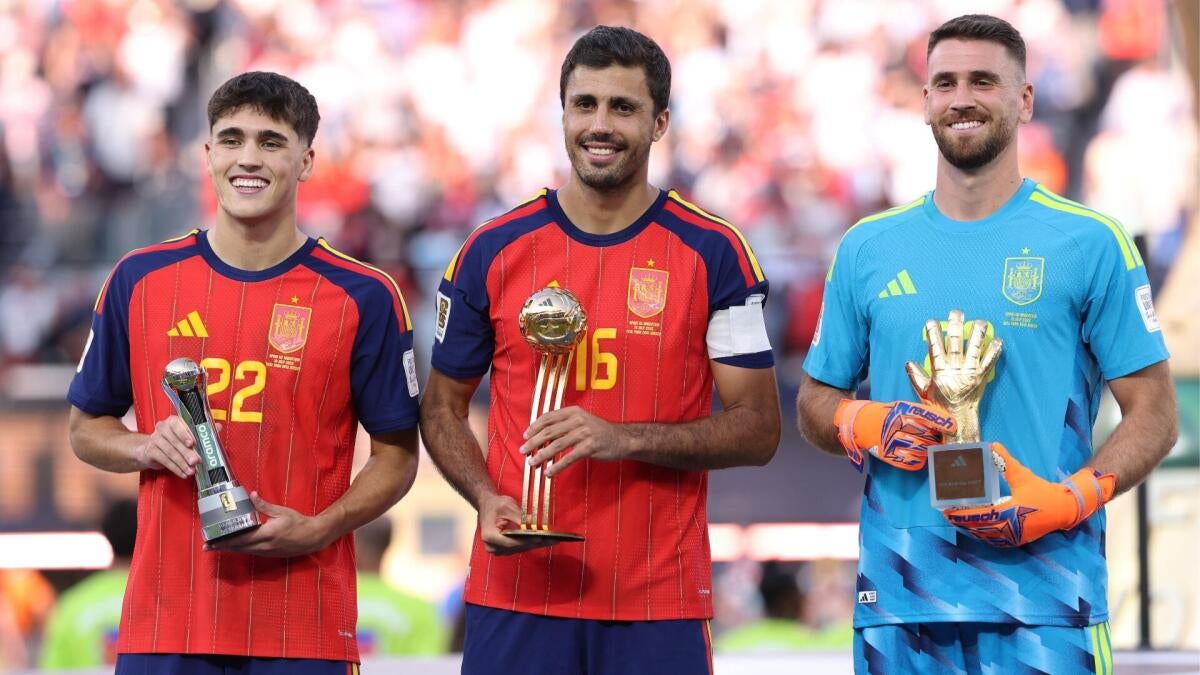
Spain's latest World Cup triumph looked less like the end of a cycle and more like the start of something larger. La Roja beat Argentina 1-0 in the final to secure a second world title, adding it to their status as reigning European champions and reinforcing their place at the top of the international game.
The final underlined what made Spain so difficult to break down. Their back line delivered a record-setting performance, becoming the first team to avoid allowing a shot on target across 90 minutes of a World Cup final. With Ferran Torres providing the lone goal, Spain paired control in defense with just enough quality in attack to settle the biggest match on the stage.
That combination of discipline and efficiency has become central to Spain's identity. Winning by a narrow margin in a final can often reflect tension and caution, but in this case it also highlighted how complete Spain were against a major opponent. Shutting out Argentina so thoroughly suggested a team capable of dictating not only possession, but the entire rhythm of a match.
The bigger picture may be even more significant. Spain are not just champions now; they are also set to co-host the 2030 World Cup, giving the country a major stage in the years ahead. If this title run is any indication, Spain could arrive at that tournament not simply as hosts, but as one of the teams everyone else is chasing.