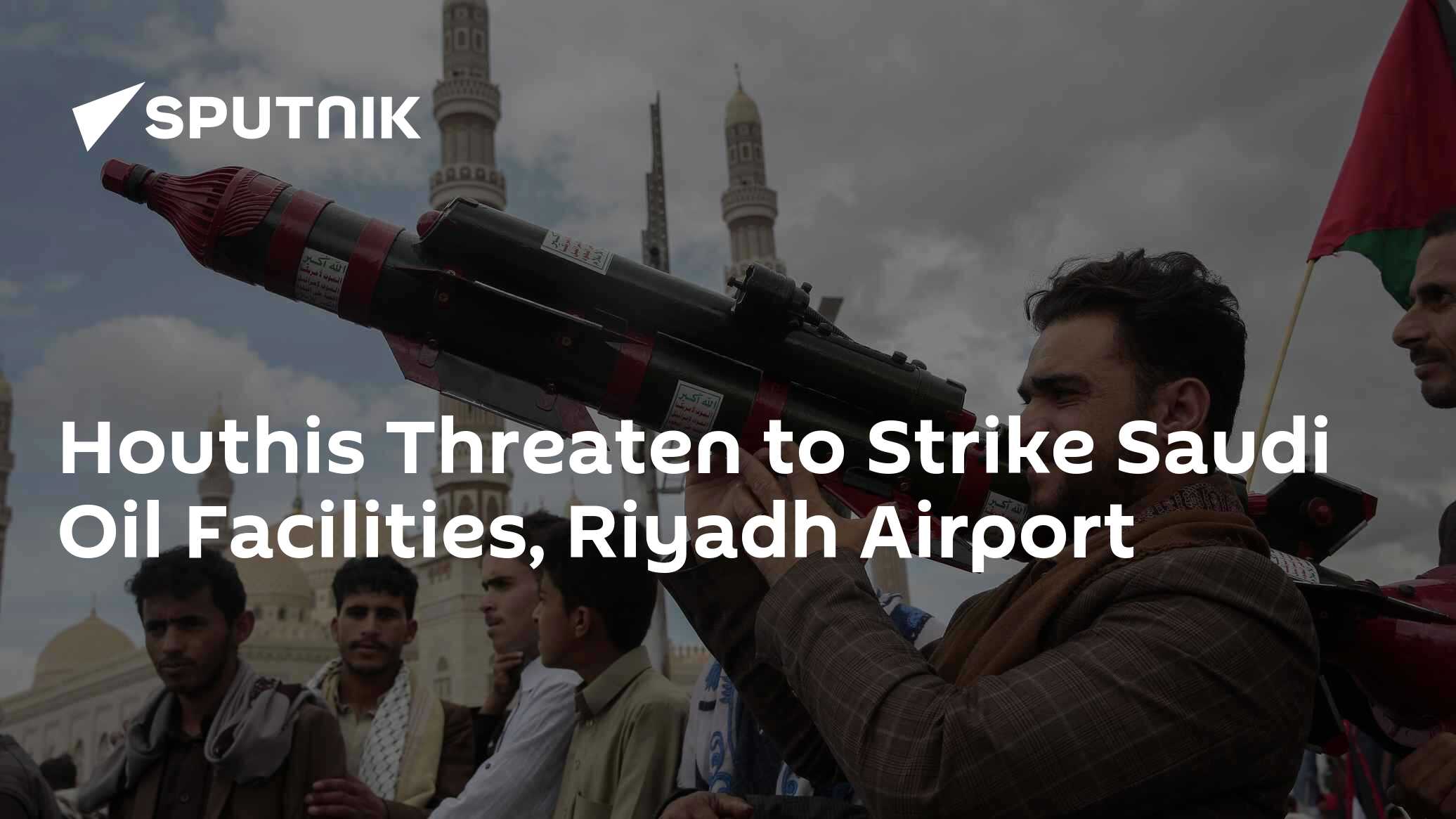
Kuwait is dealing with renewed drone threats as tensions around the United States and Iran continue to weigh on security conditions in the region. The developments point to a more fragile environment in the Gulf, where air defense readiness has become increasingly important.
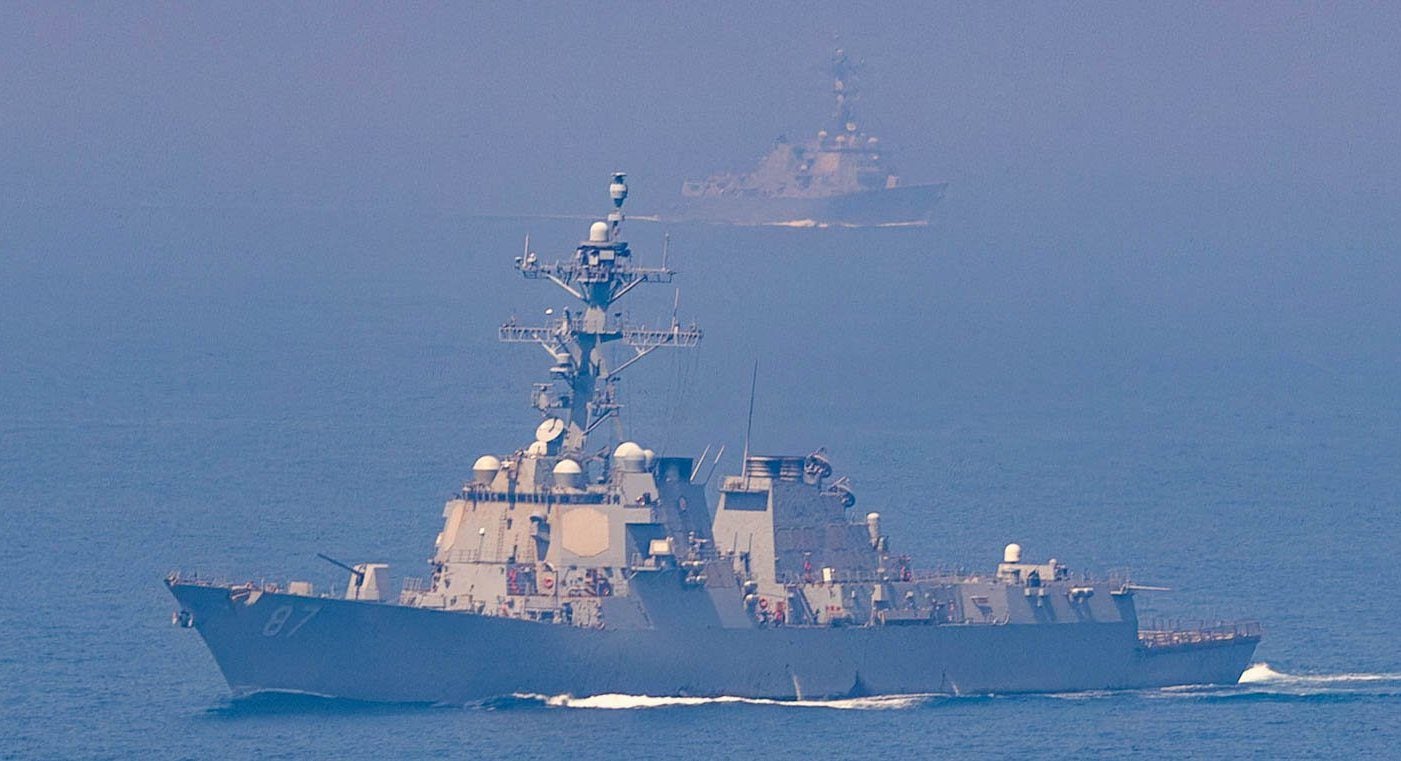
The reported response by Kuwait’s air defenses comes amid wider regional strain linked to the confrontation involving Iran and its adversaries. Even without full details on the incidents, the situation highlights how unmanned aerial threats can quickly raise the risk of escalation and force neighboring states to strengthen monitoring and interception efforts.
Drone activity has become a growing concern because it can test military defenses, disrupt normal operations, and add uncertainty to an already tense geopolitical backdrop. In Kuwait’s case, any sustained pressure on air defenses could have implications beyond national borders, given the country’s strategic location and the broader security architecture of the Gulf.
The episode is also likely to be closely watched by analysts and market participants tracking geopolitical risk. As regional tensions evolve, security incidents involving drones may influence expectations around military strategy, stability in the Gulf, and broader sentiment tied to political and economic forecasting.