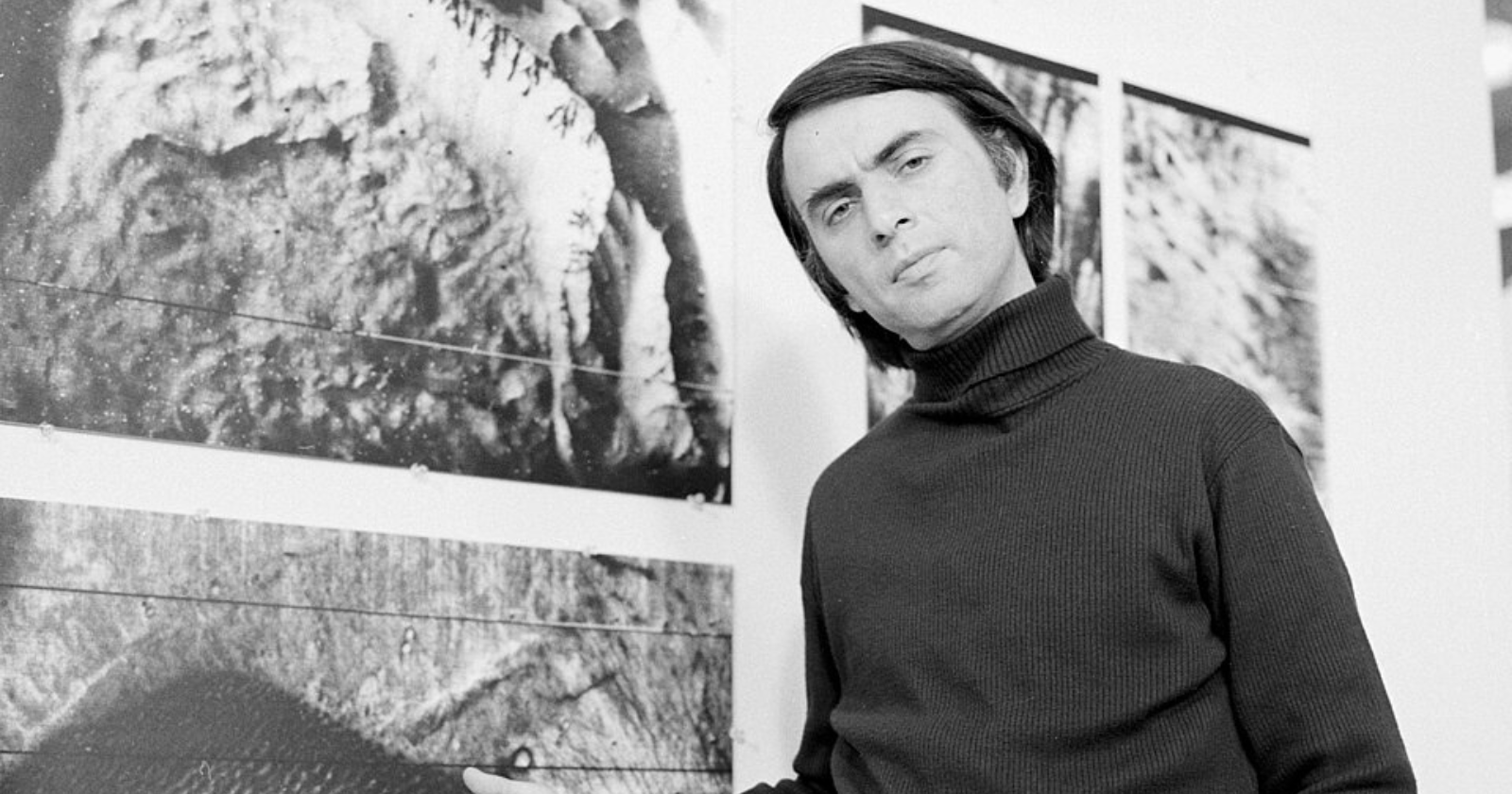
A report revisits a pivotal moment in Carl Sagan’s career: Harvard’s decision in the late 1960s to deny the young astronomer tenure. Sagan had joined the Harvard faculty in 1962 and was already gaining notice well beyond the university, building a public profile that was unusual for a scientist at the time.
According to the account, that growing visibility may have worked against him inside academia. The tenure decision has been described as reflecting discomfort with Sagan’s role as a highly public scientist, even as his work and name recognition were reaching a much broader audience than most researchers of his era.
The episode stands out because it highlights a long-running tension in higher education: how institutions weigh scholarly achievement against public communication. In Sagan’s case, the same ability to bring science to a wider audience that later became central to his legacy was reportedly viewed less favorably during his Harvard years.
After Harvard turned him down, Cornell hired Sagan and gave him the title of David Duncan Professor of Astronomy and Space Sciences. The move helped set the stage for the next chapter of his career, one that would make him one of the best-known scientific voices of his generation.