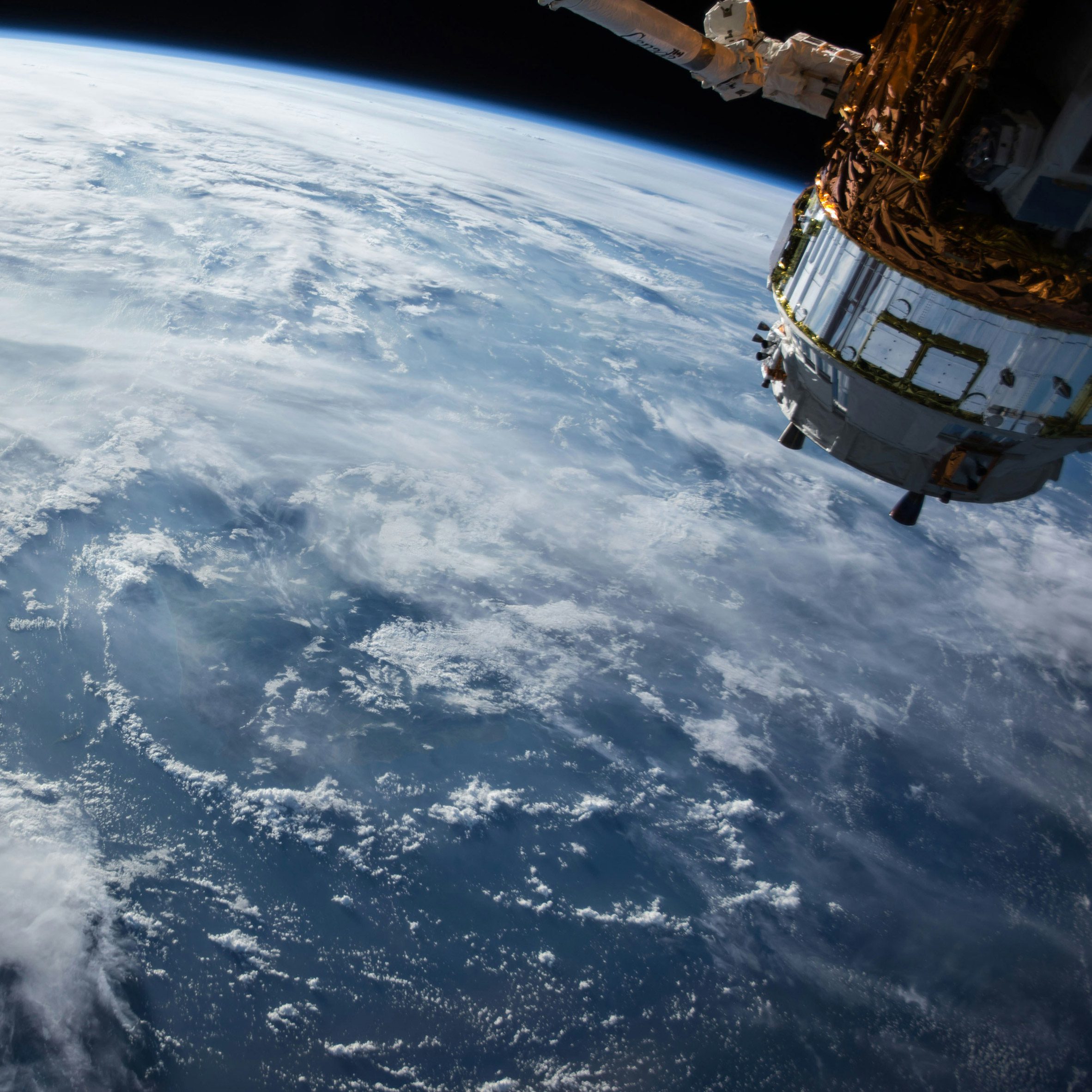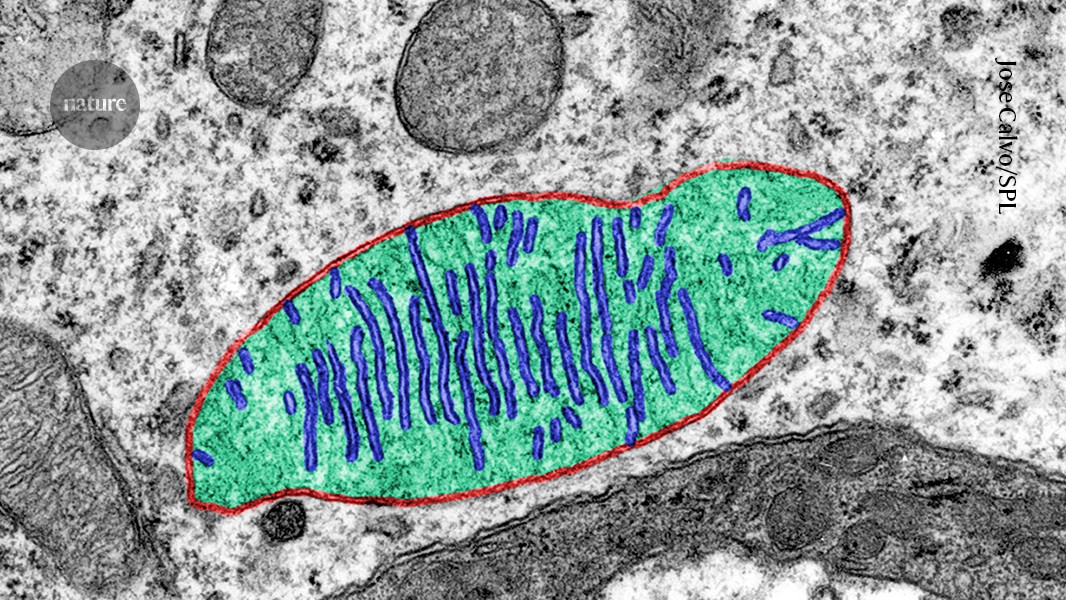
A new study points to mitochondria as a possible reason astronauts’ bodies weaken in space. Researchers found that human cells grown in microgravity produced fewer mitochondrial proteins, adding to evidence that weightlessness can interfere with basic cellular functions.
Mitochondria are often described as the cell’s energy centers, so any disruption to them could have wide effects across the body. That makes the finding important for understanding why astronauts can experience muscle loss, reduced physical conditioning and other changes during long stays in orbit.
The work suggests that microgravity may not just affect bones and muscles at the whole-body level, but also alter how cells generate and manage energy. If mitochondrial activity drops in space, it could help explain the gradual physical decline seen during missions aboard the International Space Station.
The results add another piece to the puzzle of how the space environment reshapes human biology. They could also help guide future efforts to protect astronaut health on longer missions by targeting the cellular pathways most affected by microgravity.