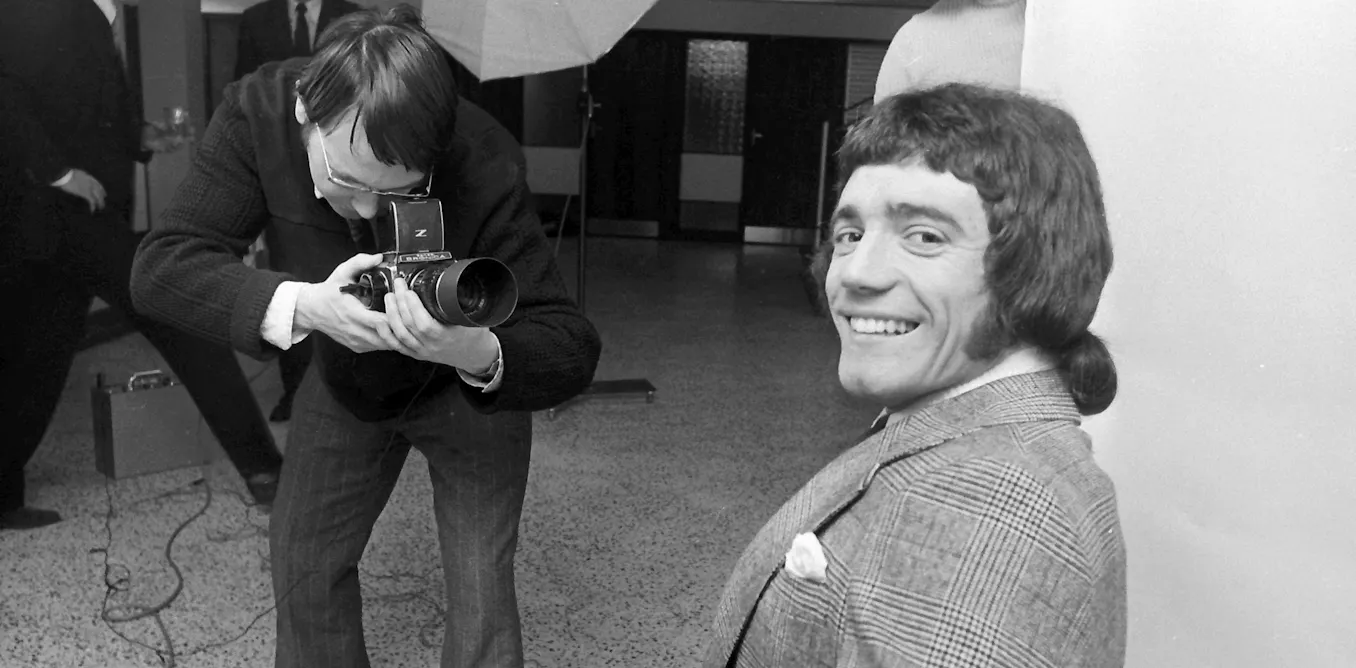
Long before modern stars such as David Beckham and Cristiano Ronaldo turned image into a major part of their appeal, Kevin Keegan was already showing how a footballer could become a brand. The story presents Keegan as one of the first players to understand that success on the pitch could create influence far beyond match day.
At the center of that idea was the recognition that sporting fame could carry wider cultural value. Keegan was not simply seen as a successful footballer, but as a public figure whose popularity could be translated into visibility, style and commercial appeal. That made him an early example of the athlete as both performer and personality.
A memorable sign of that shift was his 1980 television advert for Brut aftershave and deodorant, which remains closely linked with his image. The campaign helped place Keegan in a space that connected football with mainstream consumer culture, showing how endorsements could expand a player’s identity beyond the sport itself.
Seen in that light, Keegan’s legacy is not only about football but about the beginnings of the modern personal brand in sport. Before the era of global social media fame and carefully managed celebrity image, he demonstrated that a footballer’s reputation could be turned into something bigger, more marketable and more culturally recognizable.