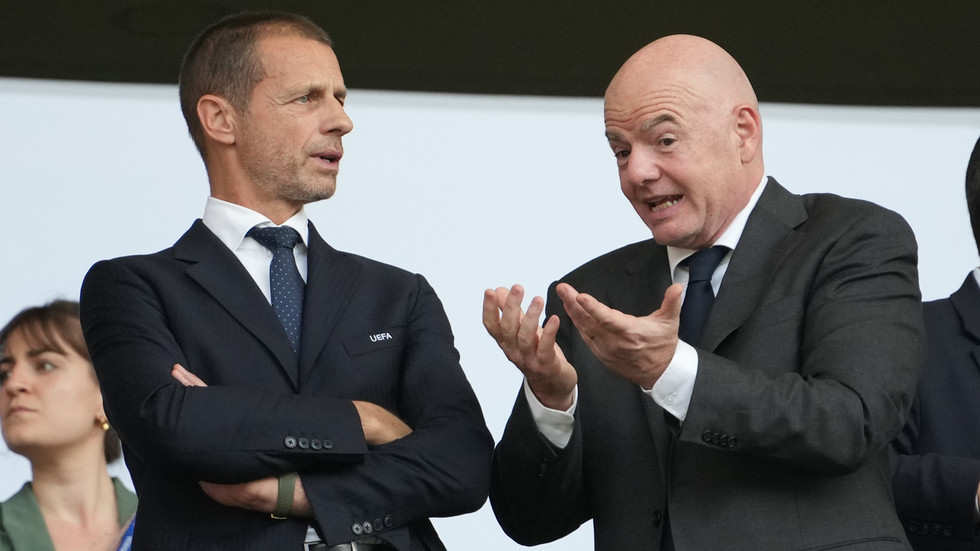
FIFA president Gianni Infantino has acknowledged that a 64-team World Cup is being discussed, opening the door to one of the biggest changes in the tournament’s history. The idea would expand the event far beyond its current scale and could reshape how places, revenue and influence are distributed across global football.
The proposal has already triggered resistance from major confederations, including UEFA and the Asian Football Confederation. Their concerns center on the practical burden of a much larger competition, with questions over scheduling, travel, host readiness and the overall strain on the football calendar.
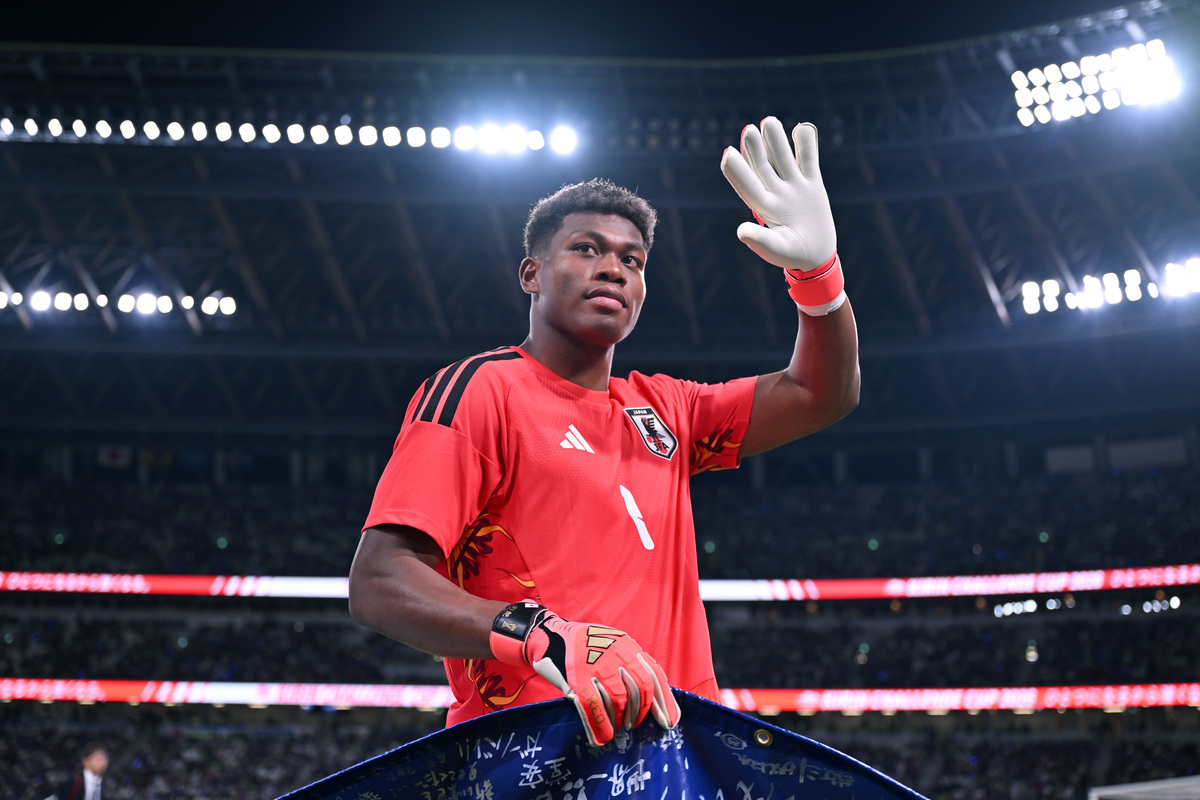
For Asian football, the debate is especially sensitive because a bigger World Cup could create both opportunity and dependence. More teams might mean greater access for Asian nations and more commercial upside, but it could also leave the region more exposed to decisions driven by FIFA’s broader political and financial priorities.
The wider issue is whether expansion would strengthen the global game or dilute the World Cup’s balance and manageability. As discussions continue, the economics and logistics of a 64-team format are likely to remain at the center of the argument, particularly for confederations trying to protect their own competitive and institutional interests.