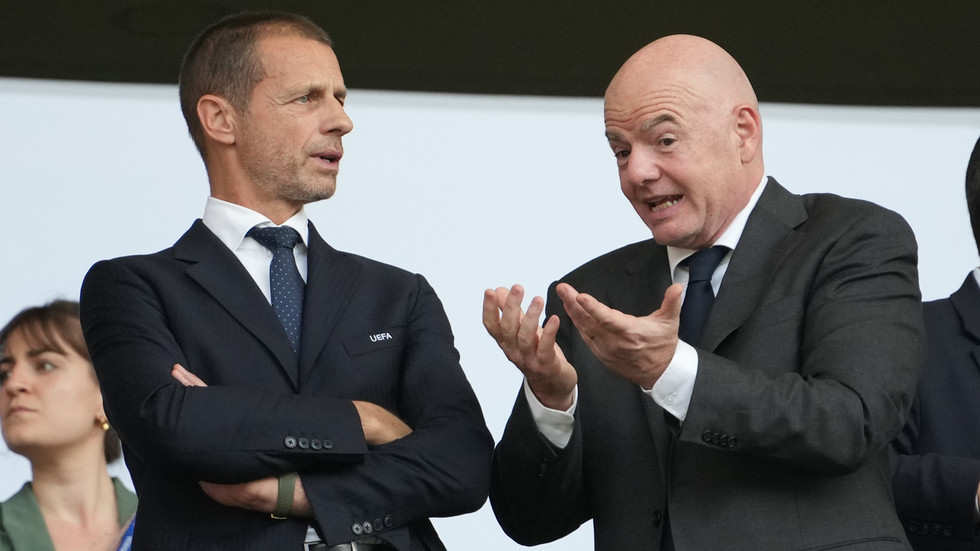
FIFA is already looking beyond the first 48-team World Cup, with president Gianni Infantino acknowledging that the tournament could eventually expand to 64 teams. Even the idea of another jump in size is significant because the World Cup is not only soccer's biggest event, but also one of the sport's main financial engines.
A larger field would likely create more matches, more media inventory and more sponsorship opportunities, potentially increasing FIFA's revenue and strengthening its influence across the global game. That could also shift the economics for regional confederations, which may become even more tied to FIFA distributions and the money generated by the tournament.
At the same time, a 64-team World Cup would raise major practical questions. Organizing a competition of that scale would put added pressure on scheduling, travel, hosting capacity and player workload. It could also reshape qualification, as more nations gain access while the value and structure of continental qualifying campaigns may change.
The broader debate is likely to center on whether expansion grows the sport in a meaningful way or stretches its biggest competition too far. For FIFA, the appeal is clear: a bigger World Cup could widen global participation and commercial reach. But for teams, organizers and confederations, the move would bring a new set of economic and competitive trade-offs.