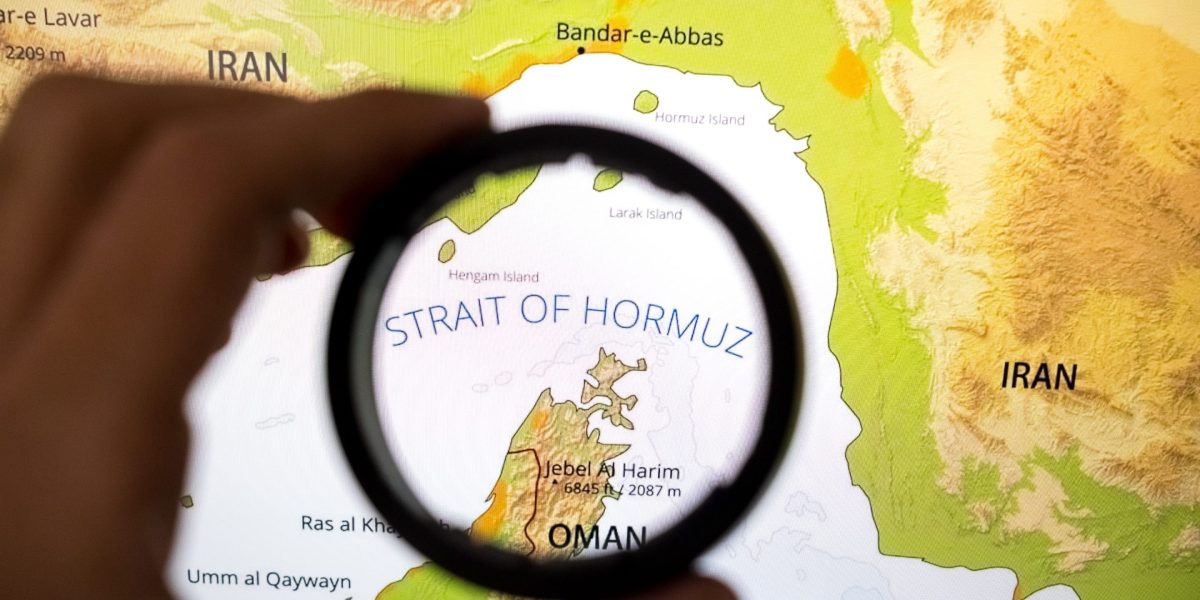
The Strait of Hormuz, one of the world’s most important energy chokepoints, has become a focal point in the continuing U.S.-Iran conflict. With military action overtaking normal commercial traffic, movement through the narrow waterway is slowing sharply, raising fresh concerns for global oil and liquefied natural gas supplies.
Before the latest fighting, about one-fifth of global oil and LNG shipments passed through the strait. Any prolonged disruption there can quickly ripple through energy markets, shipping schedules and insurance costs, making the route a major concern for producers, traders and importers alike.
Against that backdrop, discussion is building around a controversial idea: charging ships a toll for protected or safer passage. Supporters appear to see fees as a practical way to keep some trade moving through a dangerous corridor, while critics are likely to view the concept as costly, politically fraught and difficult to enforce during an active conflict.
Even so, the idea is gaining attention because alternatives are limited when a key maritime route is under sustained pressure. As long as the conflict keeps the Strait of Hormuz at the center of the crisis, markets and shippers will be watching whether tolls become the preferred tool for managing risk and restoring at least part of the corridor’s commercial activity.