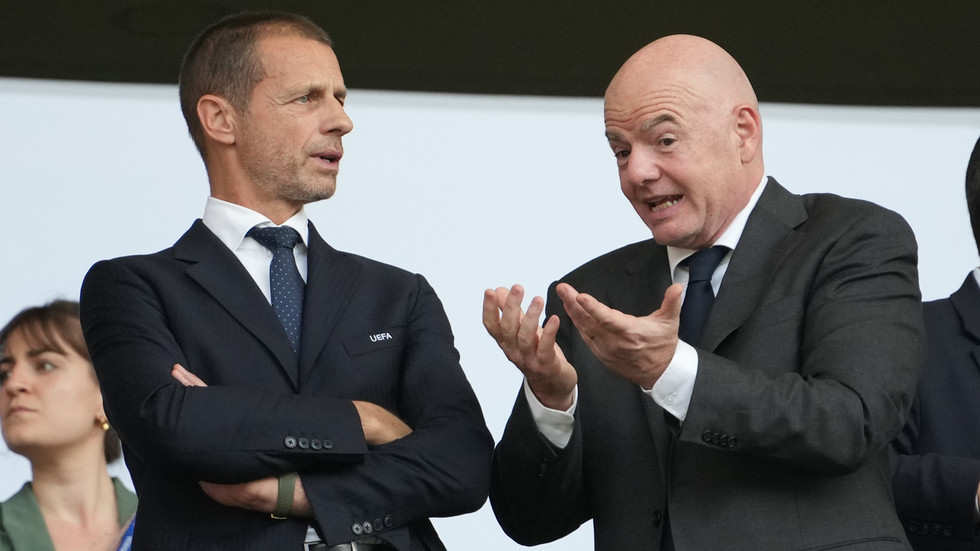
The idea of a 64-team World Cup may sound dramatic, but it fits a familiar pattern under Gianni Infantino. During his time as FIFA president, the governing body has consistently moved toward bigger competitions, adding more tournaments, more matches and, in turn, more commercial potential.
That broader strategy is already visible in FIFA’s revamped events, including the new-look Club World Cup and an expanded World Cup format. Against that backdrop, another increase in the size of football’s biggest tournament does not feel impossible. Instead, it looks like the next step in an approach that has defined Infantino’s leadership.
The main question is not only whether a 64-team World Cup is desirable, but whether FIFA has the support to make it happen. Any such move would trigger debate about scheduling, competitive balance, player workload and the overall shape of the international game. At the same time, a larger field would also create more places, more matches and a wider global footprint.
If the last decade has shown anything, it is that FIFA under Infantino has rarely been shy about growth. That makes a 64-team World Cup more than just a speculative talking point. It is an idea that matches the direction FIFA has taken for years, where bigger has repeatedly been presented as better.