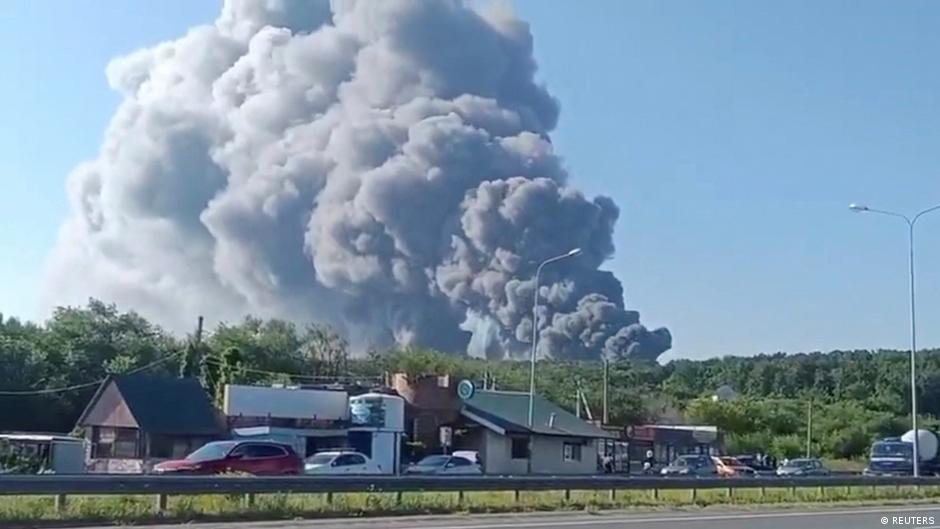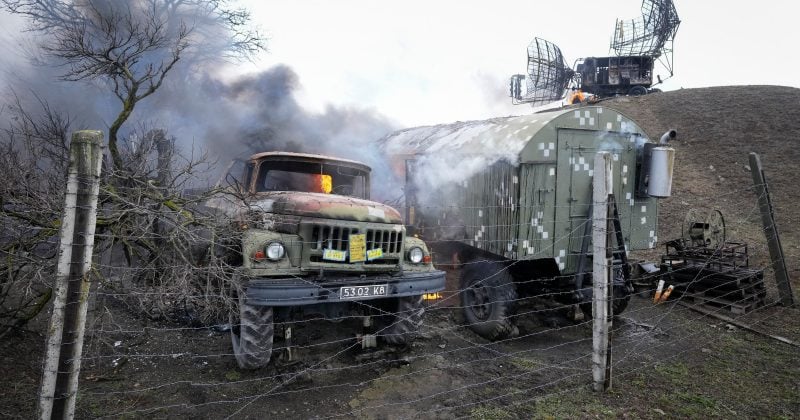
Recent conflicts linked to Ukraine and Iran have underscored a striking reality: even very large countries can rely on a surprisingly small number of facilities and systems to keep their economies running. When those key points are threatened, the effects can spread far beyond the immediate strike zone.
The broader idea is that modern economic life is often more concentrated than it appears. A limited set of transport links, energy assets, industrial hubs, communications systems, or other essential installations can hold outsized importance. If those nodes are damaged or disabled, the disruption can ripple through production, trade, public services, and daily life.
That creates a new way of thinking about war and national vulnerability. Instead of judging strength only by a country’s total size, recent fighting suggests that a few critical bottlenecks may matter just as much. It also helps explain why infrastructure protection, redundancy, and recovery capacity are becoming more central to economic and security planning.
The idea of finding an equilibrium points to the tension between efficiency and resilience. Economies often become highly productive by concentrating activity in key places, but that same concentration can leave them exposed during conflict. The lesson from these wars is that national power may depend not just on scale, but on how well a country can protect and replace its most essential infrastructure.