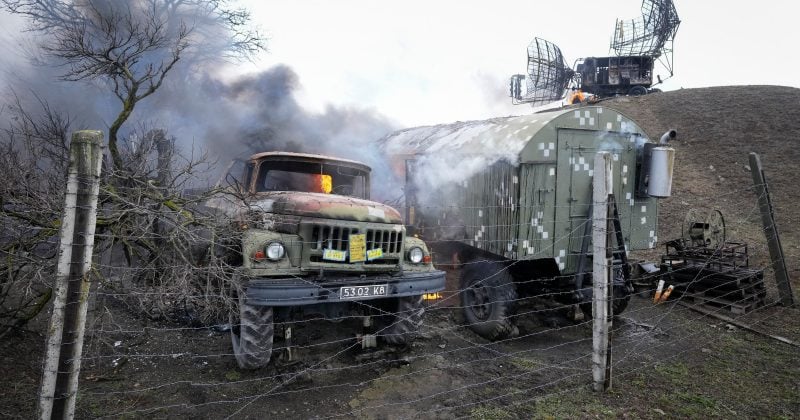
Vladimir Putin is facing heavier scrutiny as Russia’s war in Ukraine falls short of the fast victory reportedly expected at the outset. Early plans appear to have been overtaken by Ukraine’s resistance, turning what was meant to be a short campaign into a prolonged and costly conflict.
That has renewed speculation about whether pressure inside Russia could threaten Putin’s hold on power. But the broader historical pattern suggests that removing a Russian leader through a coup is uncommon. Russian rulers have more often remained in place until death, a controlled transition, or a major rupture in the political system.
The reason is tied to how power has traditionally been organized around the state and its security structures. In such systems, leaders often build layers of loyalty and control that make sudden internal overthrow difficult, even when military failures or public frustration damage their standing.
So while setbacks in Ukraine may weaken Putin politically and increase elite tension, history points to caution in predicting a rapid removal from office. Pressure may be mounting, but the path from military disappointment to a successful coup in Russia has been rare.