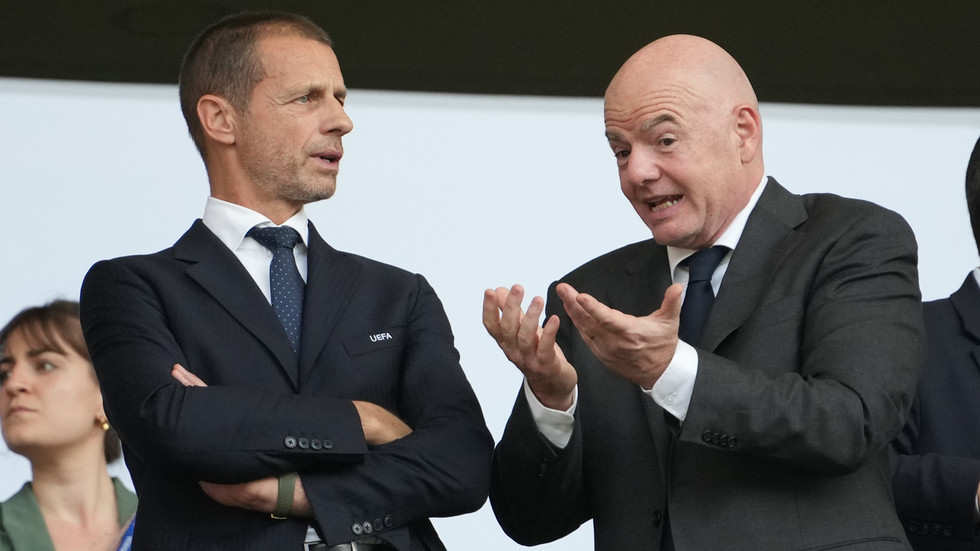
The New Republic essay revisits a familiar claim about soccer: that the sport can help make sense of the wider world. It frames that idea against FIFA President Gianni Infantino’s idealistic view of football as a shared global language, a vision that continues to shape how the game is presented on its biggest stage.
At the same time, the piece points to the less romantic side of modern international soccer. It highlights extremely expensive tickets, travel restrictions, and the symbolism of recent World Cup hosts including Russia, Qatar, and the United States during Donald Trump’s presidency.
Taken together, those examples suggest that soccer’s global appeal now sits alongside hard questions about power, access, image, and politics. The World Cup remains a major cultural event, but it also reflects the interests and tensions of the countries and institutions that shape it.
The article ultimately appears to argue that soccer still says something important about the world, though not always in the uplifting way FIFA prefers to describe it. If the sport explains anything today, it may be the gap between the language of unity and the realities surrounding the modern game.